Unveiling the Secret Ingredients of Gelatin: Everything You Need to Know
Are you curious about the secret ingredients of gelatin? Look no further! In this article, we will uncover everything you need to know about this versatile and popular ingredient.

Gelatin is a protein-rich substance derived from collagen, which is found in the bones, skin, and connective tissues of animals. It has been used for centuries in cooking and has become a staple in many desserts, gummy candies, and even beauty products.
But what exactly makes gelatin so unique? One of its key features is its ability to turn into a gel-like substance when mixed with water. This property makes it an essential ingredient in jelly, creamy puddings, and other recipes that require a thickening agent.
Furthermore, gelatin is not only known for its texture but also for its health benefits. It contains amino acids that can support joint health, improve digestion, and promote better sleep. Additionally, it is a great source of protein, making it an excellent option for those following a low-carb or keto diet.
So, whether you’re a culinary enthusiast or simply looking to understand the science behind gelatin, stay tuned as we dive into the secret ingredients that make gelatin the versatile ingredient it is today.
Table of Contents
What is gelatin made of?
Gelatin is a protein-based ingredient that is derived from collagen, which is found in the bones, skin, and connective tissues of animals. The process of extracting gelatin involves boiling these animal parts in water, which causes the collagen to break down and form a gel-like substance.
The primary source of gelatin is typically from pork skin, pork and cattle bones, and fish skin. However, the specific ingredients used to make gelatin can vary depending on the manufacturer and the type of gelatin being produced. Some gelatin products may also contain additional ingredients, such as flavorings or preservatives, to enhance their properties or extend their shelf life.
It’s important to note that the quality and purity of gelatin can vary, and consumers should always check the label to ensure they are purchasing a high-quality product that meets their dietary needs and preferences. Some gelatin may also be derived from halal or kosher sources, making it suitable for those with specific religious or cultural requirements.
The history of gelatin
Gelatin has a long and fascinating history, dating back hundreds of years. The earliest known use of gelatin can be traced back to ancient civilizations, such as the ancient Egyptians and Chinese, who used it for a variety of purposes, including as a binding agent in paints and as a food ingredient.
In the Middle Ages, gelatin became more widely used in Europe, where it was often used to create elaborate and decorative dishes for the nobility. During this time, it was considered a luxury item, and its production was closely guarded by a small number of skilled artisans.
The modern production of gelatin began in the 19th century, with the development of more efficient extraction and purification processes. This allowed for the mass production of gelatin, making it more accessible and affordable for the general public. Today, it is a ubiquitous ingredient in a wide range of food and non-food products, from desserts and gummy candies to cosmetics and pharmaceuticals.
Types of gelatin and their uses
There are several different types of gelatin, each with its own unique properties and uses.
The most common types are:
- Pork gelatin: This is the most widely used type of gelatin and is commonly used in a variety of food products, such as jelly, marshmallows, and gummy candies.
- Beef gelatin: Derived from the bones and connective tissues of cattle, beef gelatin is often used in a similar way to pork gelatin, but may have a slightly different texture or flavor profile.
- Fish gelatin: Made from the skin and bones of fish, this type of gelatin is often used in vegetarian or kosher products, as well as in certain types of pharmaceutical and cosmetic applications.
- Collagen hydrolysate: This is a form of gelatin that has been further processed to break down the collagen molecules into smaller peptides, making it more easily digestible and potentially more bioavailable for certain health benefits.
Each type of gelatin has its own unique properties and is suited for different applications. Pork and beef gelatin, for example, are often used in food products due to their strong gelling ability and neutral flavor, while fish gelatin may be preferred in certain vegetarian or kosher products. Collagen hydrolysate, on the other hand, is often used in dietary supplements and beauty products due to its potential health benefits.
Understanding the different types of gelatin and their uses can help you choose the right product for your specific needs, whether you’re cooking, baking, or looking to incorporate gelatin into your health and beauty routine.
Health benefits

It is not just a versatile ingredient in the kitchen; it also offers a range of potential health benefits.
Here are some of the key ways that gelatin can support your overall health and well-being:
- Joint and bone health: It contains amino acids that are essential for the production and maintenance of collagen, which is a key structural component of our joints, bones, and connective tissues. Consuming gelatin may help to support joint mobility and reduce the risk of osteoarthritis.
- Gut health: Gelatin has been shown to have a positive impact on gut health by helping to heal and seal the gut lining, which can be beneficial for those with digestive issues such as leaky gut or irritable bowel syndrome.
- Skin health: The amino acids in gelatin can also support the production of collagen in the skin, which can help to improve skin elasticity, reduce the appearance of wrinkles, and promote a healthy, youthful complexion.
- Sleep and stress management: Gelatin contains the amino acid glycine, which has been shown to have a calming effect on the body and may help to improve sleep quality and reduce stress levels.
- Weight management: Gelatin is a low-calorie, high-protein ingredient that can help to promote feelings of fullness and satiety, potentially supporting weight loss efforts.
While more research is still needed to fully understand the extent of gelatin’s health benefits, the existing evidence suggests that it can be a valuable addition to a healthy, balanced diet. Whether you’re looking to support your joint health, improve your digestion, or simply enjoy the unique texture and flavor that gelatin can provide, it’s a versatile ingredient worth exploring.
Gelatin in food and cooking
Gelatin is a ubiquitous ingredient in the culinary world, used in a wide variety of sweet and savory dishes. Its unique gelling properties make it an essential component in many classic desserts and treats.
One of the most well-known uses of gelatin is in the creation of jelly, which is made by dissolving it in hot liquid and then allowing it to cool and set. Gelatin-based jellies can be used in a variety of desserts, from classic fruit-flavored gelatin cups to elegant panna cotta.
It is also a key ingredient in many creamy desserts, such as puddings, custards, and mousse. By incorporating gelatin, these dishes are able to achieve a rich, velvety texture that would be difficult to replicate with other thickening agents.
Beyond desserts, gelatin can also be used in savory dishes. It is often used as a binding agent in meatballs, sausages, and terrines, helping to hold the ingredients together and create a cohesive texture. Gelatin can also be used to make clarified broths and consommés, where it helps to trap impurities and create a crystal-clear, refined liquid.
One of the benefits of using it in cooking is its ability to set and hold its shape, even at room temperature. This makes it a versatile ingredient that can be used to create a wide range of textures and presentations, from delicate panna cotta to firm, jiggly gummy candies.
When working with gelatin in the kitchen, it’s important to understand the proper techniques for dissolving and incorporating it into recipes. Proper blooming and tempering of the gelatin is crucial to ensure that it sets properly and achieves the desired texture.
Gelatin in cosmetics and skincare products
Gelatin is not only a versatile ingredient in the kitchen, but it also has a wide range of applications in the world of cosmetics and skincare. Its unique properties make it a valuable component in a variety of beauty products.
One of the primary uses of gelatin in cosmetics is in the formulation of face masks and sheet masks. Gelatin’s ability to form a gel-like structure when mixed with water allows it to create a cooling, hydrating mask that can be easily applied and removed. These masks can help to deeply moisturize the skin, reduce the appearance of fine lines and wrinkles, and leave the complexion looking refreshed and rejuvenated.
It is also commonly used in hair care products, such as hair gels and styling aids. Its thickening and binding properties can help to provide hold and control to hairstyles, while also adding shine and smoothness to the hair.
In the realm of skincare, it is often used in products that aim to improve the appearance and health of the skin. For example, gelatin-based serums and creams may be formulated to support collagen production, which can help to improve skin elasticity and reduce the visible signs of aging.
Additionally, gelatin’s ability to form a protective barrier on the skin can make it a valuable ingredient in sun care products, helping to shield the skin from the harmful effects of UV radiation.
One of the key benefits of using it in cosmetics and skincare is its natural, non-synthetic origin. As a protein-based ingredient derived from animal sources, gelatin is often perceived as a more eco-friendly and sustainable option compared to some synthetic alternatives.
However, it’s important to note that some individuals may have sensitivities or allergies to gelatin, particularly those with dietary restrictions or religious/cultural preferences. In these cases, there are a variety of gelatin alternatives, such as plant-based gums and agar-agar, that can be used in cosmetic formulations.
Alternatives for vegetarians and vegans
While gelatin is a widely used ingredient in many food and non-food products, it is not suitable for vegetarians and vegans, as it is derived from animal sources.
Fortunately, there are several alternative ingredients that can be used to mimic the unique properties of gelatin.
- Agar-agar: Agar-agar is a gelatinous substance derived from red algae. It has a similar gelling and thickening ability to gelatin, making it a popular choice for vegetarian and vegan desserts, jellies, and other recipes.
- Carrageenan: Carrageenan is another seaweed-derived ingredient that can be used as a gelatin substitute. It is commonly found in plant-based milk products, ice creams, and other dairy-free items.
- Pectin: Pectin is a naturally occurring polysaccharide that can be extracted from fruits and used as a gelling agent. It is commonly used in jams, jellies, and other fruit-based products.
- Xanthan gum: Xanthan gum is a polysaccharide produced by the fermentation of sugar by a specific bacteria. It can be used to thicken and stabilize a variety of food and non-food products.
- Konjac: Konjac is a root vegetable that can be processed into a gelatinous substance similar to gelatin. It is often used in Asian cuisines and can be found in products like shirataki noodles.
- Chia seeds and flaxseeds: : These small seeds can be used to create a gel-like texture when combined with water, making them a suitable substitute for gelatin in some recipes.
When using these gelatin alternatives, it’s important to note that they may have slightly different properties and may require different preparation methods to achieve the desired texture and consistency. Experimenting with different ratios and techniques can help you find the right substitute for your specific needs.
By exploring these vegetarian and vegan-friendly options, individuals with dietary restrictions or preferences can still enjoy the unique textures and properties that gelatin-based products can provide, while aligning with their ethical and lifestyle choices. Check also more information about gluten free food
Tips for using gelatin in recipes
Gelatin is a versatile ingredient that can be used in a variety of recipes, from sweet desserts to savory dishes. However, using gelatin effectively can require some specialized knowledge and techniques.
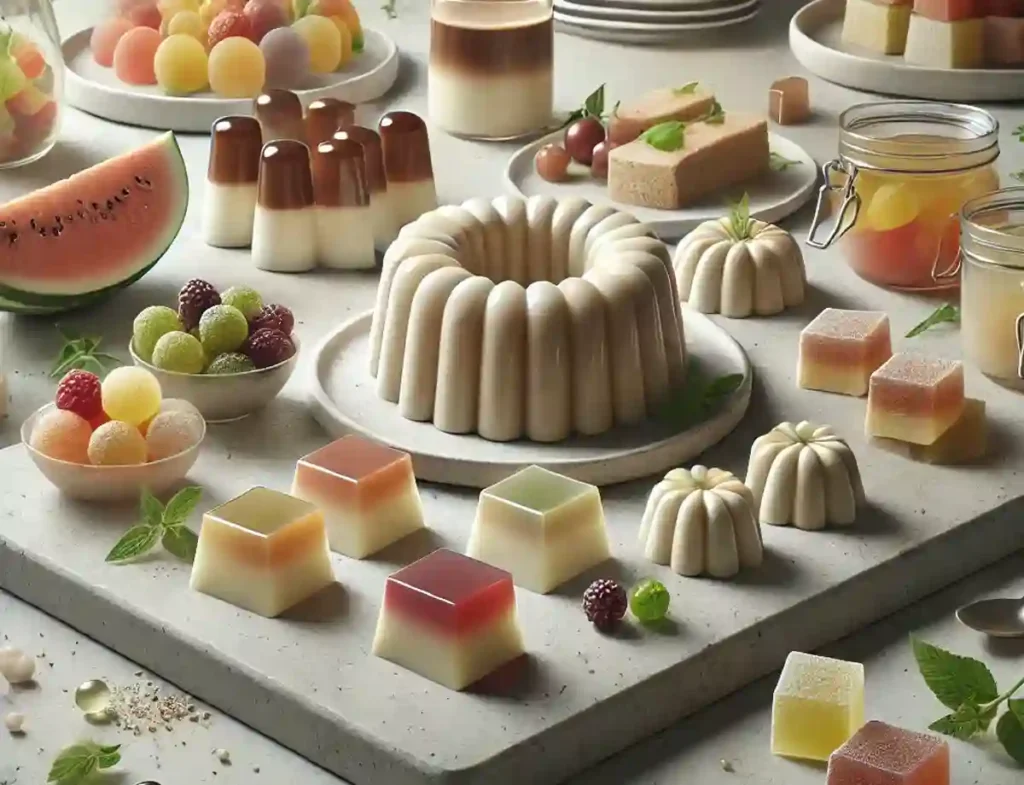
Here are some tips to help you get the most out of this unique ingredient:
- Bloom the gelatin: Before using it in a recipe, it’s important to “bloom” it by sprinkling the powdered gelatin over a small amount of cold water and letting it sit for a few minutes. This allows the gelatin to hydrate and soften, making it easier to incorporate into the recipe.
- Use the right ratio: The amount of gelatin needed in a recipe can vary depending on the desired texture and consistency. As a general rule, use about 1 teaspoon of powdered gelatin per 1 cup of liquid. Adjust the amount as needed to achieve the perfect set.
- Temper the gelatin: When adding gelatin to a hot liquid, it’s important to temper it first. This means adding a small amount of the hot liquid to the bloomed gelatin, stirring to combine, and then adding the gelatin mixture back to the rest of the hot liquid. This helps to prevent the gelatin from seizing or forming clumps.
- Chill thoroughly: Once the gelatin-based mixture has been poured into a mold or container, it’s essential to chill it thoroughly in the refrigerator until it has set completely. This can take several hours or even overnight, depending on the recipe.
- Avoid high heat: It can become unstable and lose its gelling properties when exposed to high heat. When using it in cooking, it’s best to avoid boiling or simmering the mixture, as this can cause the gelatin to break down.
- Consider the setting time: Different types of gelatin may have different setting times, so it’s important to read the instructions on the package and plan accordingly. Some gelatin may set more quickly than others, which can affect the timing of your recipe.
- Experiment with flavors: Gelatin is a neutral-tasting ingredient, so it can be easily combined with a variety of flavors, from sweet to savory. Don’t be afraid to get creative and try new flavor combinations.
By following these tips and techniques, you can ensure that your gelatin-based recipes turn out perfectly every time, whether you’re creating luscious desserts or innovative savory dishes.
Conclusion: Incorporating gelatin into your lifestyle
Gelatin is a truly remarkable ingredient that has stood the test of time, finding its way into a wide range of culinary and non-culinary applications. From its humble beginnings in ancient civilizations to its modern-day ubiquity, gelatin has proven to be a versatile and valuable component in our lives.
Whether you’re a home cook, a beauty enthusiast, or simply someone looking to improve their overall health and well-being, gelatin has something to offer. Its unique gelling properties make it an essential ingredient in countless desserts and dishes, while its potential health benefits, such as supporting joint health and promoting better sleep, make it a valuable addition to a balanced lifestyle.
For those looking to incorporate more gelatin into their lives, there are countless ways to do so. You can experiment with gelatin-based recipes in the kitchen, try out gelatin-infused skincare and beauty products, or even consider adding a gelatin supplement to your daily routine.
Ultimately, the beauty of gelatin lies in its ability to adapt and enhance a wide range of experiences. From the delicate, silky texture of a panna cotta to the firm, satisfying chew of a gummy bear, gelatin has the power to transform and elevate the ordinary into the extraordinary.
So, as you continue on your culinary and wellness journey, don’t be afraid to explore the wonders of gelatin. Who knows, it just might become the secret ingredient that takes your creations to new heights and helps you live your best, most vibrant life.
Health Disclaimer:
The content provided on this blog is for informational purposes only and is not intended as a substitute for professional medical advice, diagnosis, or treatment.
Always seek the guidance of your physician or another qualified healthcare provider with any questions you may have regarding a medical condition.
We make no representations or warranties regarding the accuracy, completeness, or suitability of the information provided, and we take no responsibility for any actions taken based on the content of this blog.
The use of this blog and this blog article is at your own risk.