Discover the Ultimate Guide to Baking Irresistible Gluten-Free Cakes
Are you a baking enthusiast with a gluten intolerance, or do you simply want to explore the world of gluten-free baking? Look no further! In this ultimate guide, we will take you on a journey to master the art of baking irresistible gluten-free cakes.
With the rising popularity of gluten-free diets, it’s essential to have a repertoire of gluten-free recipes that are equally delicious and satisfying. Whether you’re a novice or an experienced baker, we have got you covered.
Our comprehensive guide is packed with expert tips, tricks, and fail-proof recipes that will ensure your gluten-free cakes turn out moist, fluffy, and full of flavor. We will delve into the world of alternative flours, explore ingredient substitutions, and share secrets for achieving the perfect texture in your gluten-free creations.
Get ready to unleash your creativity in the kitchen and impress your family and friends with delectable gluten-free cakes that no one will be able to resist. Let’s dive in and unlock the secrets of baking gluten-free cakes like a pro!
Table of Contents
Understanding gluten and its effects on baking
Gluten is a protein found in wheat, barley, and rye, and it plays a crucial role in the structure and texture of baked goods. In traditional baking, gluten helps to create a chewy, elastic crumb and provides structure to cakes, breads, and pastries. However, for individuals with gluten intolerance or celiac disease, consuming gluten can lead to a range of unpleasant symptoms, including digestive issues, bloating, and inflammation.
Understanding the role of gluten in baking is essential for those who want to venture into the world of gluten-free baking. Without gluten, the structure and texture of baked goods can be significantly altered, leading to dense, crumbly, or even gritty results. Gluten-free bakers must learn to work with alternative flours and binding agents to achieve the desired texture and rise in their cakes and other baked goods.
Exploring the science behind gluten and its impact on baking can help you navigate the challenges of gluten-free baking more effectively. By understanding how gluten contributes to the structure, moisture, and rise of baked goods, you can develop strategies to recreate these qualities using gluten-free ingredients. This knowledge will be invaluable as you embark on your gluten-free baking journey and strive to create irresistible cakes that rival their gluten-containing counterparts.
Benefits of baking gluten-free cakes
Baking gluten-free cakes offers a range of benefits that extend beyond just catering to dietary restrictions. For individuals with gluten intolerance or celiac disease, the ability to enjoy delicious and satisfying cakes without the risk of adverse health effects is a game-changer. Gluten-free baking opens up a world of possibilities for those who have previously had to avoid indulging in their favorite desserts.
Beyond the obvious health benefits, gluten-free baking can also be a creative and rewarding pursuit. Experimenting with a variety of alternative flours, such as almond, coconut, or rice flour, can lead to the development of unique and innovative cake recipes. These flours not only provide the necessary structure and texture but also add their own distinct flavors and nutritional profiles to the final product.
Furthermore, gluten-free baking can be a more inclusive practice, allowing individuals with dietary restrictions to participate in social gatherings and celebrations without feeling left out. By mastering the art of gluten-free cake baking, you can share your creations with family and friends, fostering a sense of community and inclusivity. Gluten-free cakes can be the centerpiece of special occasions, bringing joy and delight to all who partake.
Ingredients and substitutes for gluten-free baking
The foundation of successful gluten-free baking lies in the careful selection and combination of alternative flours and binding agents. Unlike traditional baking, where wheat flour is the primary ingredient, gluten-free baking requires a more thoughtful approach to achieve the desired texture and structure.
One of the most common gluten-free flour options is almond flour, which is made from ground almonds. Almond flour is known for its rich, nutty flavor and its ability to provide moisture and a tender crumb to baked goods. Another popular choice is coconut flour, which is high in fiber and can help to absorb excess moisture in recipes.
In addition to alternative flours, gluten-free bakers often rely on binding agents to replace the structure and elasticity provided by gluten. Ingredients like xanthan gum, psyllium husk, and ground flaxseeds can be used to mimic the binding properties of gluten, helping to hold the cake batter together and prevent crumbling.
Essential tools and equipment for gluten-free baking
Successful gluten-free baking requires a specialized set of tools and equipment to ensure consistent and reliable results. While many of the basic tools used in traditional baking can be utilized, there are a few key items that can make a significant difference in the quality of your gluten-free cakes.
One essential piece of equipment is a digital kitchen scale. Precise measurements are crucial in gluten-free baking, as the ratios of ingredients can greatly impact the final texture and structure of the cake. A digital scale allows you to measure ingredients by weight, which is often more accurate than volume measurements.
Another important tool is a high-quality stand mixer or hand mixer. Gluten-free batters can be more dense and require more mixing to develop the proper structure. A powerful mixer will ensure that your batter is well-incorporated and aerated, leading to a lighter and fluffier cake.
Tips for achieving the perfect texture and taste in gluten-free cakes
Baking gluten-free cakes can be a delicate balancing act, but with the right techniques and strategies, you can achieve the perfect texture and taste. One of the keys to success is understanding the unique properties of gluten-free flours and how they interact with other ingredients.
When it comes to achieving the perfect texture, it’s essential to pay close attention to the ratios of your dry and wet ingredients. Gluten-free flours can be more absorbent than traditional wheat flour, so you may need to adjust the amount of liquid or use additional binding agents to prevent your cakes from becoming dense or crumbly.
Another important factor in achieving the perfect texture is the mixing process. Overmixing can lead to a tough and rubbery crumb, while undermixing can result in a coarse and uneven texture. Finding the right balance and mixing your batter just until the ingredients are well-combined is key.
Popular gluten-free cake recipes and variations
As the demand for gluten-free baking continues to grow, there is a wealth of delicious and creative gluten-free cake recipes available. From classic favorites like chocolate cake and vanilla cupcakes to more unique offerings like lemon poppy seed and red velvet, the options are endless.
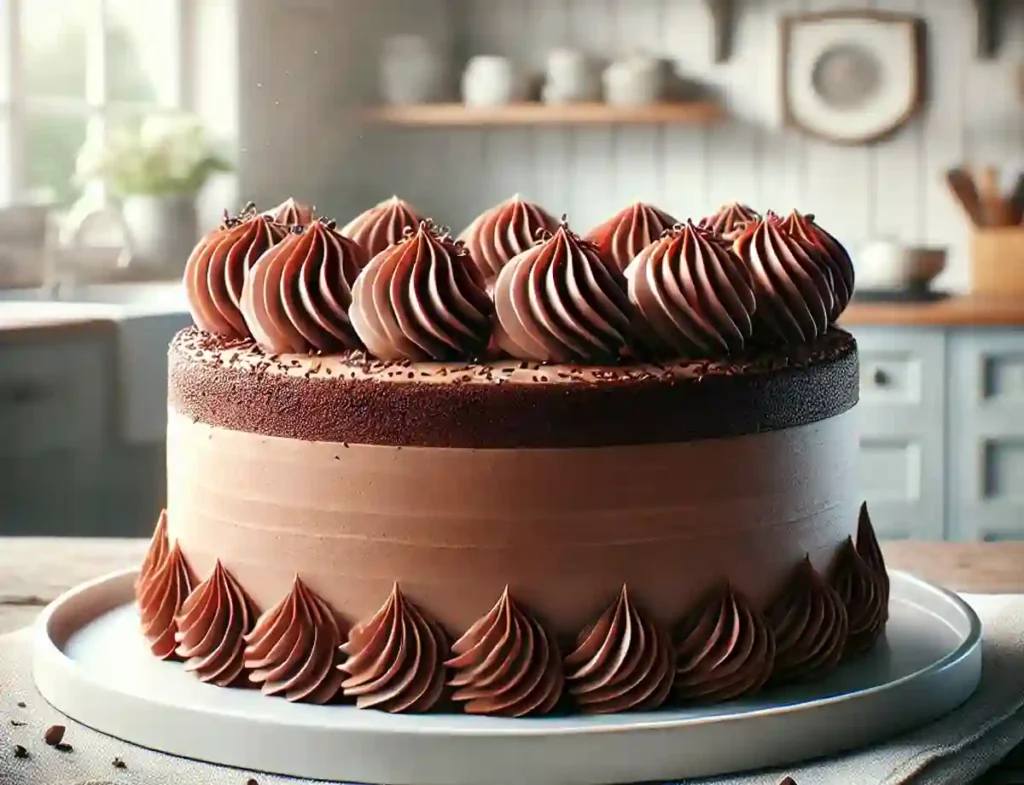
One popular gluten-free cake recipe is the classic chocolate cake. By using a combination of gluten-free flours, such as almond flour and coconut flour, along with ingredients like cocoa powder, eggs, and dairy-free milk, you can create a rich and decadent chocolate cake that rivals its gluten-containing counterpart.
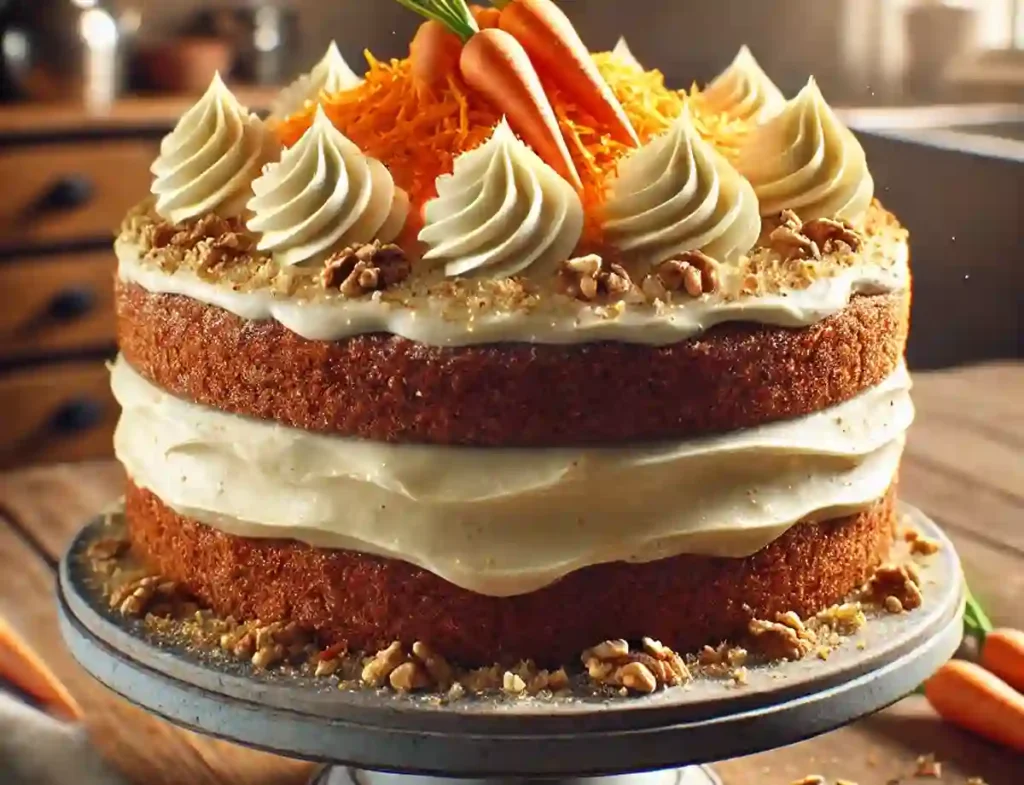
Another crowd-pleasing option is the gluten-free carrot cake. This moist and flavorful cake can be made using grated carrots, spices like cinnamon and nutmeg, and a cream cheese frosting that perfectly complements the sweetness of the cake.
Decorating and icing options for gluten-free cakes
Decorating and icing your gluten-free cakes can be just as fun and creative as traditional cake decorating. With a little experimentation and the right techniques, you can create stunning and visually appealing gluten-free cakes that will impress your guests.
One versatile option for icing gluten-free cakes is a simple buttercream frosting. By using dairy-free butter or a plant-based alternative, you can create a smooth and creamy frosting that complements the texture of your gluten-free cake. You can also experiment with different flavors, such as vanilla, chocolate, or even fruit-based buttercreams.
For a more unique and eye-catching decoration, consider using fondant or modeling chocolate. These materials can be rolled out and shaped into intricate designs, creating a professional-looking finish on your gluten-free cakes. Additionally, you can incorporate edible decorations, such as fresh fruit, nuts, or even edible flowers, to add a touch of elegance and visual interest.
Common challenges and troubleshooting in gluten-free baking
While gluten-free baking can be incredibly rewarding, it also comes with its own set of challenges. Understanding and addressing these common issues can help you overcome obstacles and achieve consistent, delicious results.
One of the most common challenges in gluten-free baking is achieving the right texture. Gluten-free flours can often result in a dense, crumbly, or gritty texture if not properly balanced with other ingredients. Experimenting with different flour blends, binding agents, and mixing techniques can help you find the perfect formula for your desired texture.
Another common challenge is the tendency for gluten-free baked goods to dry out quickly. This can be addressed by incorporating moisture-rich ingredients, such as applesauce, mashed bananas, or nut butters, into your recipes. Additionally, proper storage techniques, such as keeping your cakes in airtight containers or wrapping them in plastic, can help preserve their freshness.
Conclusion and final thoughts on baking irresistible gluten-free cakes
Baking irresistible gluten-free cakes is an exciting and rewarding journey that allows you to explore the world of alternative flours, binding agents, and innovative techniques. By understanding the role of gluten in baking and the unique properties of gluten-free ingredients, you can create cakes that are not only delicious but also visually stunning.
Throughout this guide, we’ve covered the essential elements of gluten-free baking, from understanding the science behind gluten to mastering the art of decorating and icing your creations. With the right tools, recipes, and a willingness to experiment, you can unlock the secrets to baking gluten-free cakes that will impress your family, friends, and even the most discerning gluten-free enthusiasts.
As you continue your gluten-free baking journey, remember to embrace the challenges, celebrate your successes, and most importantly, have fun in the process. Baking is an art form, and with dedication and a passion for creating delectable treats, you can become a master of gluten-free cake baking. So, let your creativity shine, and get ready to delight your taste buds with irresistible gluten-free cakes that everyone will love.
Health Disclaimer:
The content provided on this blog is for informational purposes only and is not intended as a substitute for professional medical advice, diagnosis, or treatment.
Always seek the guidance of your physician or another qualified healthcare provider with any questions you may have regarding a medical condition.
We make no representations or warranties regarding the accuracy, completeness, or suitability of the information provided, and we take no responsibility for any actions taken based on the content of this blog.
The use of this blog and this blog article is at your own risk.