Deliciously Moist Zucchini Gluten-Free Bread Recipe: A Tasty Twist on a Classic Favorite
Are you tired of compromising taste for health? Look no further! Welcome to our ultimate guide to delicious and healthy gluten-free food. In this comprehensive article, we will explore a plethora of mouth-watering gluten-free recipes that will leave you satisfied without sacrificing flavor.

Made with fresh zucchini, this bread is a healthier alternative to traditional recipes. It’s also gluten-free, making it suitable for those with dietary restrictions. The combination of zucchini and gluten-free flour creates a moist and tender texture that will leave you craving more.
Infused with warm spices and a touch of sweetness, this zucchini bread is bursting with flavor. Each bite is packed with the perfect balance of cinnamon, nutmeg, and vanilla, creating a comforting and aromatic experience. Serve it warm with a slather of butter or enjoy it as a dessert with a dollop of whipped cream.
Get ready to impress your family and friends with this delightful zucchini gluten-free bread recipe. It’s the perfect way to enjoy a classic favorite with a tasty twist. So grab your apron and get ready to bake up a batch of pure deliciousness.
Table of Contents
Benefits of Gluten-Free Baking
In recent years, gluten-free diets have become increasingly popular, not just for those with celiac disease or gluten intolerance, but also for individuals seeking healthier alternatives. Gluten-free baking has emerged as a viable option, offering numerous benefits that extend beyond dietary restrictions.
One of the primary advantages of gluten-free baking is the reduced risk of adverse health effects for individuals with gluten sensitivities. Gluten, a protein found in wheat, rye, and barley, can trigger uncomfortable symptoms such as bloating, digestive issues, and even more severe reactions in those with celiac disease. By embracing gluten-free baking, individuals can enjoy the pleasure of indulging in baked goods without the potential for harmful consequences.
Moreover, gluten-free baking can open up a world of culinary exploration. With a wide range of alternative flours, such as almond, coconut, and rice flour, bakers can experiment with new flavors and textures, creating unique and delectable treats. This diversity in ingredients allows for more personalized and creative recipes, catering to various dietary preferences and dietary restrictions.
Why Zucchini is a Great Addition to Gluten-Free Bread
When it comes to gluten-free baking, the inclusion of zucchini in bread recipes offers a remarkable array of benefits. Zucchini, a versatile summer squash, not only adds moisture and a delightful texture to gluten-free bread but also boasts a host of nutritional advantages.
One of the primary reasons zucchini is an excellent addition to gluten-free bread is its ability to enhance the overall moisture content. Gluten-free flours can often result in a drier, crumbly texture, but the natural moisture content of zucchini helps to counteract this issue. By grating or finely chopping the zucchini and incorporating it into the batter, bakers can achieve a wonderfully moist and tender crumb that is sure to delight the senses.
Moreover, zucchini is a low-calorie and nutrient-dense vegetable that can contribute to the overall health benefits of gluten-free bread. It is rich in vitamins, minerals, and antioxidants, including vitamin C, vitamin B6, potassium, and manganese. These nutrients not only support overall well-being but also offer potential benefits for those following a gluten-free diet, such as improved digestion and immune function.
Health Benefits of Zucchini
Zucchini, the star ingredient in this delectable gluten-free bread recipe, is a nutritional powerhouse that offers a wealth of health benefits. From its impressive vitamin and mineral content to its potential cancer-fighting properties, incorporating zucchini into your baking can provide a range of positive impacts on your overall well-being.
One of the standout health benefits of zucchini is its high content of antioxidants, which play a crucial role in neutralizing harmful free radicals in the body. Zucchini is particularly rich in the antioxidant vitamins C and A, both of which have been linked to reduced inflammation and a lower risk of chronic diseases, such as heart disease and certain types of cancer.
Additionally, zucchini is a great source of dietary fiber, which is essential for maintaining a healthy digestive system. Fiber helps to regulate bowel movements, prevent constipation, and promote the growth of beneficial gut bacteria. This is particularly beneficial for individuals following a gluten-free diet, as they may be more prone to digestive issues due to the exclusion of gluten-containing grains.
Ingredients and Measurements for Zucchini Gluten-Free Bread

To create the deliciously moist zucchini gluten-free bread, you will need the following ingredients and measurements:
Dry Ingredients:
2 cups gluten-free all-purpose flour
1 teaspoon baking soda
1 teaspoon baking powder
1 teaspoon ground cinnamon
1/2 teaspoon ground nutmeg
1/4 teaspoon salt
Wet Ingredients:
2 large eggs
1/2 cup granulated sugar
1/3 cup vegetable oil
1 teaspoon vanilla extract
1 1/2 cups grated zucchini (about 1 medium zucchini)
It’s important to note that the measurements provided are for a standard loaf pan, but the recipe can be easily adjusted to accommodate different pan sizes or personal preferences. The combination of the gluten-free flour, baking soda, and baking powder ensures a light and fluffy texture, while the warm spices of cinnamon and nutmeg add depth of flavor to the bread.
The wet ingredients, including the eggs, sugar, oil, and vanilla extract, work together to create a moist and tender crumb. The star of the show, the grated zucchini, not only contributes moisture but also adds a subtle sweetness and nutritional value to the bread. With these carefully selected ingredients, you can create a truly delectable zucchini gluten-free bread that will satisfy your cravings and delight your taste buds.
Step-by-Step Instructions for Making Zucchini Gluten-Free Bread
Follow these step-by-step instructions to create your own batch of deliciously moist zucchini gluten-free bread:
1. Preheat your oven to 350°F (175°C). Grease a 9×5-inch loaf pan with butter or non-stick cooking spray, and set it aside.
2. In a medium-sized bowl, whisk together the dry ingredients: gluten-free all-purpose flour, baking soda, baking powder, cinnamon, nutmeg, and salt. Set the dry mixture aside.
3. In a separate large bowl, beat the eggs using a hand mixer or a whisk. Then, add the granulated sugar and continue mixing until the mixture is light and fluffy.
4. Stir in the vegetable oil and vanilla extract, mixing until the wet ingredients are well combined.
5. Grate the zucchini using a box grater or a food processor, and then add the grated zucchini to the wet ingredient mixture. Stir until the zucchini is evenly distributed.
6. Gradually add the dry ingredient mixture to the wet ingredients, folding gently with a spatula or wooden spoon until just combined. Be careful not to overmix, as this can result in a dense and tough texture.
7. Pour the batter into the prepared loaf pan, smoothing the top with a spatula.
8. Bake the zucchini gluten-free bread in the preheated oven for 55-60 minutes, or until a toothpick inserted into the center comes out clean.
9. Allow the bread to cool in the pan for 10-15 minutes before transferring it to a wire rack to cool completely.
10. Once cooled, slice and serve your delicious zucchini gluten-free bread. Enjoy it on its own or with your favorite toppings, such as butter, honey, or a dusting of powdered sugar.
Tips for Achieving a Moist and Delicious Texture
Ensuring a moist and delicious texture is key to creating the perfect zucchini gluten-free bread.
Here are some helpful tips to achieve the desired results:
1. Properly Grate the Zucchini: Grate the zucchini using a box grater or a food processor, ensuring the pieces are finely shredded. This will help distribute the moisture evenly throughout the batter.
2. Avoid Squeezing the Zucchini: Resist the temptation to squeeze out the excess moisture from the grated zucchini. The natural moisture in the zucchini is essential for keeping the bread moist and tender.
3. Use the Right Flour Blend: Opt for a high-quality gluten-free all-purpose flour blend that includes a combination of flours, such as rice flour, tapioca flour, and xanthan gum. This blend will provide the necessary structure and texture for the bread.
4. Don’t Overmix the Batter: Overmixing the batter can result in a dense and tough texture. Gently fold the dry ingredients into the wet ingredients until just combined.
5. Bake at the Correct Temperature: Ensure your oven is preheated to the recommended temperature of 350°F (175°C). This will help the bread rise properly and prevent it from becoming dry or overbaked.
6. Check for Doneness: Use a toothpick or cake tester to check the center of the bread for doneness. The toothpick should come out clean when the bread is fully baked.
7. Allow for Proper Cooling: Let the bread cool in the pan for 10-15 minutes before transferring it to a wire rack. This gradual cooling process will help the bread retain its moisture and prevent it from becoming too dry.
By following these tips, you can ensure your zucchini gluten-free bread turns out deliciously moist, tender, and bursting with flavor in every bite.
Variations and Additions to the Recipe
While the basic zucchini gluten-free bread recipe is a delightful treat on its own, there are numerous ways to customize and enhance the flavors to suit your personal preferences.
Here are some variations and additions you can try:
1. Nutty Additions: Fold in chopped walnuts, pecans, or almonds to add a delightful crunch and nutty flavor to the bread.
2. Dried Fruit: Incorporate dried cranberries, raisins, or chopped apricots for a pop of sweetness and chewy texture.
3. Chocolate Chips: Fold in a handful of semi-sweet or dark chocolate chips for a decadent twist on the classic zucchini bread.
4. Lemon Zest: Add the zest of one lemon to the batter for a bright and citrusy note that complements the zucchini perfectly.
5. Spice it Up: Increase the amount of cinnamon or add a pinch of ground ginger or cardamom for a more pronounced spice flavor.
6. Streusel Topping: Create a delicious streusel topping by mixing together gluten-free flour, brown sugar, cinnamon, and cold butter. Sprinkle the streusel over the batter before baking for a delightful crunch.
7. Cream Cheese Swirl: Mix together softened cream cheese, sugar, and vanilla extract, then swirl the mixture into the batter for a creamy and tangy surprise in each bite.
8. Nut Butter Swirl: Gently swirl in a tablespoon or two of your favorite nut butter, such as peanut butter or almond butter, for a rich and indulgent flavor profile.
These variations and additions can help you personalize the zucchini gluten-free bread to your unique taste preferences, making it a versatile and enjoyable treat for any occasion.
Storage and Serving Suggestions for Zucchini Gluten-Free Bread
Once you’ve baked your delectable zucchini gluten-free bread, it’s important to properly store and serve it to ensure it retains its moist and flavorful qualities.
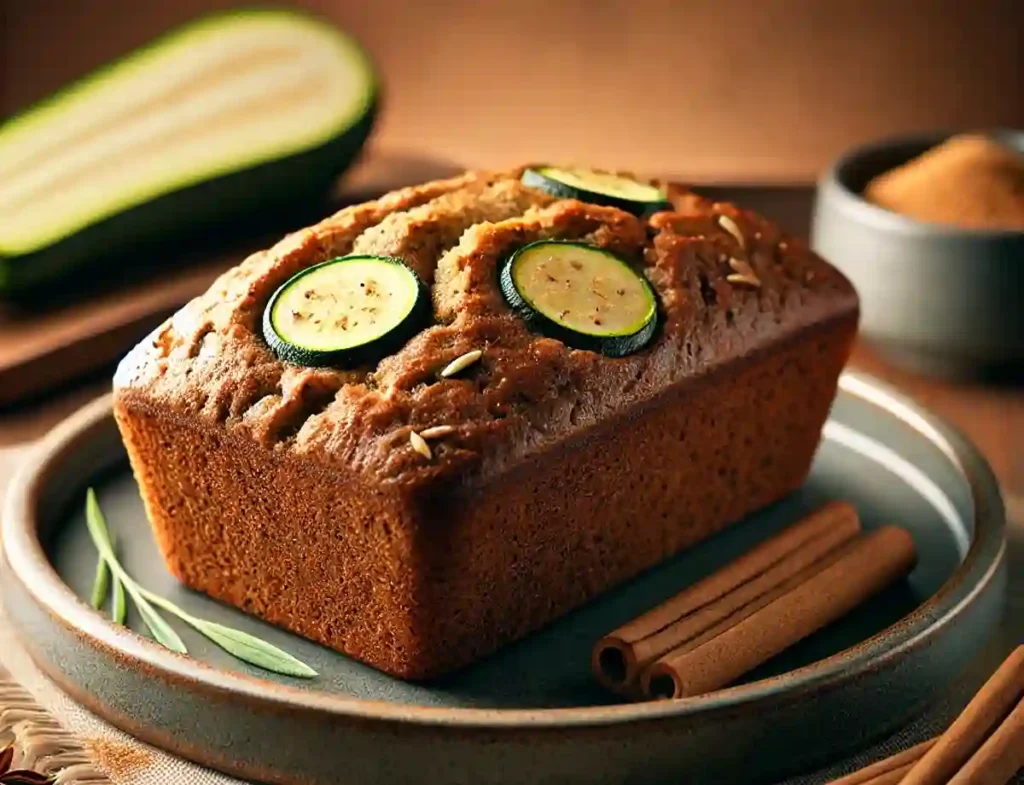
Here are some tips to help you enjoy your creation to the fullest:
Storage:
1. Allow the bread to cool completely before storing it.
2. Wrap the loaf tightly in plastic wrap or aluminum foil to prevent it from drying out.
3. Store the wrapped bread at room temperature for up to 4 days.
4. For longer storage, you can refrigerate the bread for up to 1 week.
5. Alternatively, you can freeze the bread for up to 3 months. Wrap it tightly in plastic wrap or aluminum foil, and place it in a freezer-safe bag or container.
Serving:
1. Serve the zucchini gluten-free bread at room temperature or slightly warmed.
2. Slice the bread and serve it with a variety of toppings, such as butter, honey, jam, or a dusting of powdered sugar.
3. For a decadent treat, serve the bread with a scoop of vanilla ice cream or a dollop of whipped cream.
4. Enjoy the bread as a snack, breakfast, or dessert, depending on your preferences.
5. Consider pairing the zucchini bread with a cup of coffee, tea, or a glass of milk for a comforting and satisfying experience.
By following these storage and serving suggestions, you can ensure your zucchini gluten-free bread remains moist, flavorful, and ready to be enjoyed whenever the craving strikes.
Conclusion and Final Thoughts
Indulging in the deliciously moist zucchini gluten-free bread is a true delight for the senses. This recipe not only satisfies your cravings for a classic favorite but also offers a healthier alternative for those following a gluten-free lifestyle.
The incorporation of zucchini into the batter not only adds moisture and a subtle sweetness but also boasts a range of nutritional benefits. From its antioxidant-rich properties to its fiber-packed goodness, zucchini is a superstar ingredient that elevates the overall quality and enjoyment of this gluten-free bread.
Whether you’re baking for yourself, your family, or a group of friends, this zucchini gluten-free bread is sure to impress. With its warm spices, tender crumb, and versatile serving options, it’s a recipe that can be enjoyed any time of the day, from a comforting breakfast to a satisfying dessert.
So, why not venture into the world of gluten-free baking and treat yourself to the delightful flavors of this zucchini gluten-free bread? With its easy-to-follow instructions and customizable variations, you can create a batch that caters to your unique taste preferences. Indulge, savor, and enjoy the pure delight of this moist and flavorful treat.
Health Disclaimer:
The content provided on this blog is for informational purposes only and is not intended as a substitute for professional medical advice, diagnosis, or treatment.
Always seek the guidance of your physician or another qualified healthcare provider with any questions you may have regarding a medical condition.
We make no representations or warranties regarding the accuracy, completeness, or suitability of the information provided, and we take no responsibility for any actions taken based on the content of this blog.
The use of this blog and this blog article is at your own risk.