Craving Sourdough? Discover the Best Gluten-Free Sourdough Bread Options for Irresistible Loaves!
.Are you a sourdough enthusiast who follows a gluten-free diet? Well, crave no more! In this article, we will unveil the best gluten-free options to satisfy your longing for irresistibly delicious sourdough loaves. Whether you’re avoiding gluten due to dietary restrictions, Celiac disease, or personal preference, we’ve got you covered.
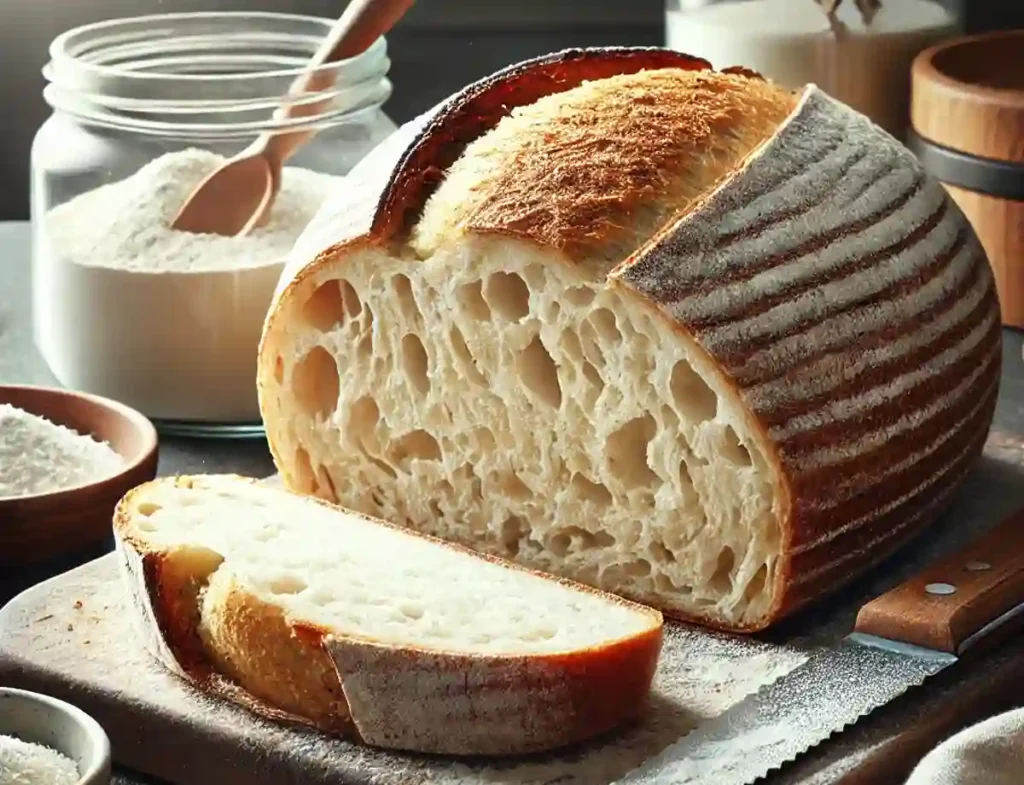
Gluten-free sourdough bread is a game-changer for those seeking a gluten-free alternative without compromising on taste and texture. With the rising popularity of gluten-free diets, bakeries and food brands have taken notice, creating a range of gluten-free sourdough options that are sure to impress even the most discerning palate.
Join us as we explore the top contenders in the gluten-free sourdough realm, from trusted bakery brands to homemade recipes that will have you marveling at your own baking skills. With our guide, you’ll have access to the most irresistible gluten-free sourdough loaves that are sure to satisfy your cravings. Get ready to embark on a gluten-free journey that will leave you with mouthwatering, perfectly baked sourdough bread.
Table of Contents
Benefits of gluten-free sourdough
For those following a gluten-free diet, the discovery of gluten-free sourdough bread can be a revelation. Unlike traditional wheat-based sourdough, gluten-free sourdough offers a range of unique benefits that make it a superior choice for those seeking a delectable and nutritious bread option.
One of the primary advantages of gluten-free sourdough is its improved digestibility. The fermentation process used in sourdough baking helps to break down the complex carbohydrates and proteins, making them more easily absorbed by the body. This is particularly beneficial for individuals with gluten sensitivities or Celiac disease, as the reduced gluten content can alleviate digestive discomfort and other unpleasant symptoms.
Moreover, gluten-free sourdough bread is often more nutritious than its conventional counterparts. The fermentation process enhances the bioavailability of essential vitamins, minerals, and antioxidants, providing a more nutrient-dense source of sustenance. This makes gluten-free sourdough an excellent choice for those seeking a healthier bread option without compromising on taste and texture.
Understanding gluten and its effects
Gluten is a protein found in wheat, rye, barley, and other grains, and it plays a crucial role in the structure and texture of traditional bread. For individuals with Celiac disease or non-Celiac gluten sensitivity, the consumption of gluten can trigger an immune response, leading to a range of unpleasant symptoms such as bloating, abdominal pain, diarrhea, and even long-term health complications.
The effects of gluten on the body can be far-reaching, as it can damage the small intestine and impair nutrient absorption. This can result in nutrient deficiencies, weight loss, and an increased risk of other autoimmune disorders. For these reasons, individuals with gluten-related conditions must strictly adhere to a gluten-free diet to manage their symptoms and maintain their overall health.
Fortunately, the growing awareness and understanding of gluten-related disorders have led to the development of a wide range of gluten-free products, including the rise of gluten-free sourdough bread. This innovative approach to baking allows those with gluten sensitivities to enjoy the classic flavors and textures of sourdough without the harmful effects of gluten.
The rise of gluten-free diets
In recent years, the popularity of gluten-free diets has skyrocketed, with more and more people adopting this lifestyle for a variety of reasons. While Celiac disease and non-Celiac gluten sensitivity are the primary drivers behind the gluten-free movement, the perceived health benefits of a gluten-free diet have also attracted a broader audience.
Some individuals choose to follow a gluten-free diet in the belief that it can lead to weight loss, improved digestion, and increased energy levels. While the scientific evidence on the broader health benefits of a gluten-free diet for those without gluten-related conditions is still inconclusive, the demand for gluten-free products has undoubtedly grown.
This surge in popularity has prompted food manufacturers and bakeries to respond by expanding their gluten-free offerings, including the introduction of innovative gluten-free sourdough bread. As a result, those following a gluten-free lifestyle now have access to a wider variety of delicious and nutritious bread options that can satisfy their cravings for the classic flavors of sourdough. In recent years, the popularity of gluten-free diets has skyrocketed, with more and more people adopting this lifestyle for a variety of reasons. While Celiac disease and non-Celiac gluten sensitivity are the primary drivers behind the gluten-free movement, the perceived health benefits of a gluten-free diet have also attracted a broader audience.
The challenges of gluten-free baking

While the benefits of gluten-free sourdough are clear, the process of creating a successful gluten-free sourdough loaf is not without its challenges. Traditional sourdough baking relies heavily on the gluten content in wheat flour to provide the necessary structure and rise, which is absent in gluten-free flours.
Gluten-free flours, such as rice flour, almond flour, or tapioca starch, lack the binding properties of gluten, making it more difficult to achieve the desired texture and rise in sourdough bread. Additionally, the fermentation process, which is crucial for developing the distinctive sourdough flavor, can be more complex and unpredictable when working with gluten-free ingredients.
Overcoming these challenges requires a deep understanding of gluten-free baking and the careful selection of ingredients to create a balanced and structurally sound dough. Bakers must experiment with various flour blends, hydration levels, and fermentation techniques to find the perfect formula for a gluten-free sourdough loaf that can rival its wheat-based counterpart in terms of taste and texture.
Key ingredients for gluten-free sourdough
The success of gluten-free sourdough bread lies in the careful selection and combination of specialized ingredients. While traditional sourdough relies on wheat flour as the primary ingredient, gluten-free sourdough requires a more thoughtful approach to achieve the desired texture and flavor.
One of the key components in gluten-free sourdough is the flour blend. Instead of relying on a single gluten-free flour, bakers often use a combination of different flours, such as rice flour, almond flour, or tapioca starch, to create a more structurally sound and flavorful dough. These flour blends are carefully formulated to mimic the properties of wheat flour, providing the necessary binding and rise without the presence of gluten.
In addition to the flour blend, the use of starches and gums, such as xanthan gum or psyllium husk, can also play a crucial role in gluten-free sourdough baking. These ingredients help to replicate the binding and stretching properties of gluten, ensuring that the dough can hold its shape during the fermentation and baking process.
Tips for making perfect gluten-free sourdough loaves
Crafting the perfect gluten-free sourdough loaf requires a combination of patience, experimentation, and attention to detail. While the process may be more challenging than traditional sourdough baking, the rewards of a delicious and satisfying gluten-free sourdough bread are well worth the effort.
One of the most important tips for successful gluten-free sourdough baking is to establish a strong and active sourdough starter. This starter, made from a combination of gluten-free flours and water, serves as the foundation for the fermentation process, which is crucial for developing the signature sourdough flavor. Maintaining the starter’s health and activity level is key to ensuring a consistent and reliable dough.
Another essential tip is to pay close attention to the hydration level of the dough. Gluten-free flours can behave differently than wheat flour, and the ideal hydration level may vary depending on the flour blend used. Experimenting with different hydration ratios and adjusting the dough consistency as needed can help achieve the perfect balance of structure and rise.
Best gluten-free sourdough recipes
As the demand for gluten-free sourdough bread continues to grow, talented bakers and food brands have risen to the challenge, creating a wide range of delectable gluten-free sourdough recipes that cater to diverse dietary needs and preferences.
One standout recipe is the Gluten-Free Sourdough Boule from King Arthur Baking Company. This recipe combines a blend of gluten-free flours, including brown rice flour and tapioca starch, to create a beautifully textured and flavorful loaf. The use of psyllium husk helps to bind the dough, ensuring a sturdy structure and a satisfying crumb.
Another excellent option is the Gluten-Free Sourdough Bread from Bobs Red Mill. This recipe utilizes a blend of gluten-free flours, including sorghum flour and potato starch, to achieve a light and airy loaf with a delightful sourdough tang. The addition of xanthan gum helps to mimic the binding properties of gluten, resulting in a loaf that slices cleanly and holds its shape.
Where to find gluten-free sourdough options
As the popularity of gluten-free diets continues to grow, the availability of high-quality gluten-free sourdough bread has also expanded significantly. From local bakeries to online retailers, there are now numerous options for those seeking delicious and nutritious gluten-free sourdough loaves.
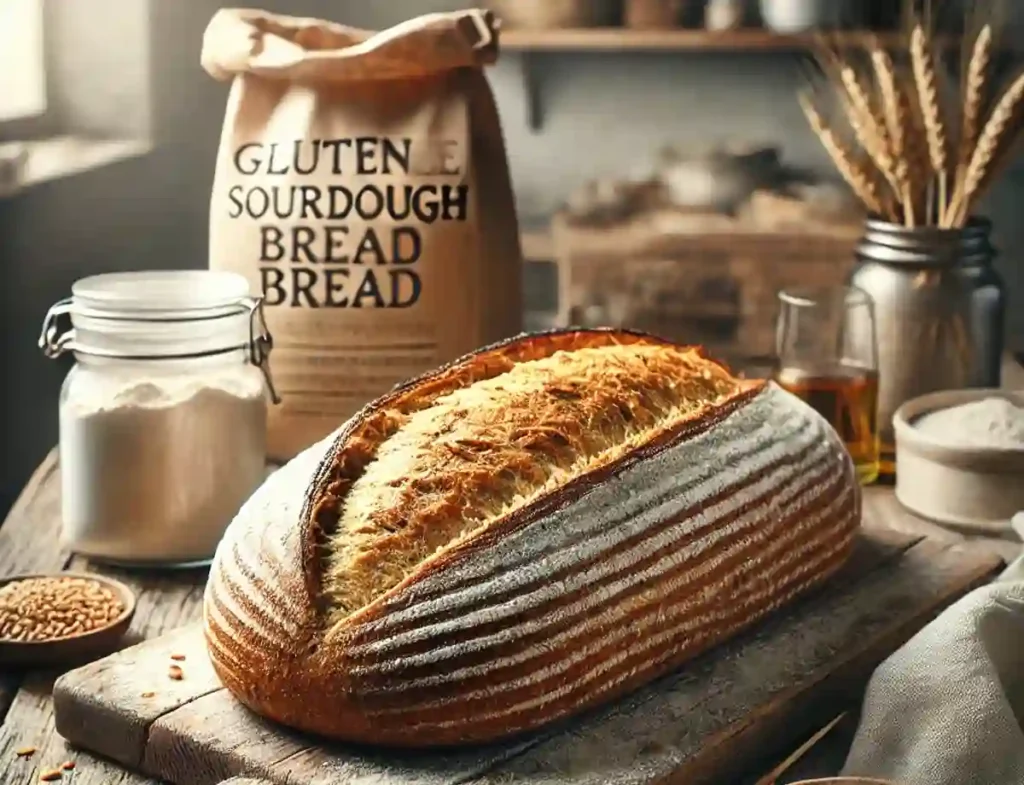
Some essential gluten-free pantry items include:
Many artisanal bakeries and specialty food stores now offer a selection of gluten-free sourdough breads, catering to the needs of their health-conscious customers. These bakeries often use carefully crafted flour blends and fermentation techniques to create gluten-free sourdough that rivals the taste and texture of traditional wheat-based varieties.
For those who prefer the convenience of online ordering, there are several reputable brands and bakeries that ship their gluten-free sourdough nationwide. Companies like Bread SRSLY, Glutino, and Udi’s Gluten Free offer a range of gluten-free sourdough options, ensuring that those following a gluten-free diet can enjoy the classic flavors of sourdough no matter their location.
Conclusion: Embracing the deliciousness of gluten-free sourdough
The journey to discovering the best gluten-free sourdough options has been a rewarding one, filled with innovative baking techniques, delicious flavors, and a renewed appreciation for the art of sourdough bread making.
By understanding the unique challenges of gluten-free baking and the key ingredients required for successful gluten-free sourdough, we’ve uncovered a world of possibilities for those seeking to satisfy their sourdough cravings without compromising on their dietary needs.
Whether you’re indulging in a slice of freshly baked gluten-free sourdough from a local bakery or whipping up your own homemade masterpiece, the joy of enjoying a delectable, nutritious, and gluten-free sourdough loaf is a testament to the creativity and resilience of the baking community.
So, embrace the deliciousness of gluten-free sourdough and embark on a culinary journey that celebrates the best of both worlds – the classic flavors of sourdough and the freedom to enjoy them without the constraints of gluten. Bon appétit!
Health Disclaimer:
The content provided on this blog is for informational purposes only and is not intended as a substitute for professional medical advice, diagnosis, or treatment.
Always seek the guidance of your physician or another qualified healthcare provider with any questions you may have regarding a medical condition.
We make no representations or warranties regarding the accuracy, completeness, or suitability of the information provided, and we take no responsibility for any actions taken based on the content of this blog.
The use of this blog and this blog article is at your own risk.