The Ultimate Guide to Gluten-Free Bread Recipes for Bread Machines
Welcome to the ultimate guide to gluten-free bread recipes for bread machines! If you’re on a gluten-free diet, but still crave the taste and texture of fresh, homemade bread, then you’ve come to the right place. In this comprehensive guide, we’ll walk you through a variety of delicious gluten-free bread recipes that are specifically designed for bread machines.
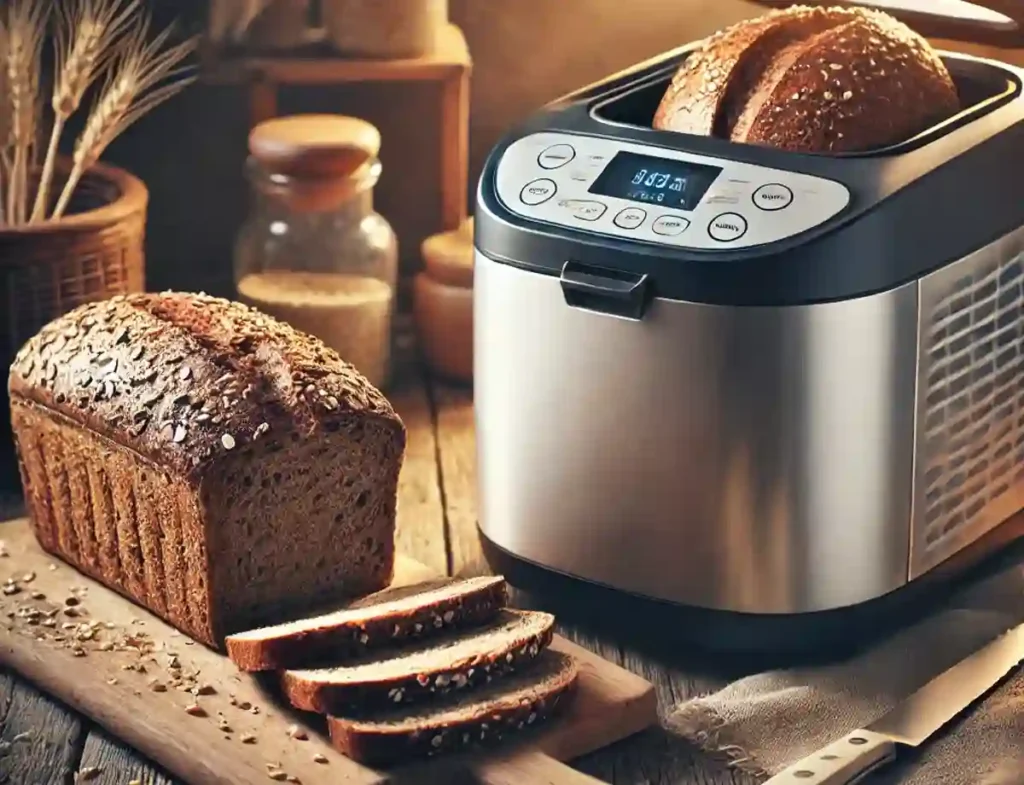
Whether you’re a seasoned baker or a beginner in the kitchen, our recipes are simple, easy to follow, and guaranteed to produce excellent results every time. From classic white bread and whole grain loaves to unique flavors like cinnamon raisin and cheesy herb, we’ve got something to satisfy every gluten-free bread lover.
But it’s not just about taste. We understand that gluten-free baking can be tricky, which is why we’ve included expert tips and troubleshooting advice to ensure your bread machine bakes the perfect loaf every time. Say goodbye to dense and crumbly gluten-free bread and say hello to soft, moist, and flavorful slices.
So, grab your bread machine and let’s dive into the world of gluten-free bread making! Get ready to enjoy the delicious taste of fresh homemade bread, minus the gluten.
Table of Contents
Understanding gluten-free bread
Gluten-free bread is a type of bread that is made without the use of wheat, barley, or rye, which are the main sources of gluten. Gluten is a protein found in these grains that gives bread its structure and chewiness. For individuals with celiac disease or gluten sensitivity, consuming gluten can lead to various health issues, such as digestive problems, inflammation, and even long-term damage to the small intestine.
To create gluten-free bread, bakers must use alternative flours and ingredients that can mimic the properties of gluten without causing any adverse reactions. These alternative flours can include rice flour, almond flour, tapioca flour, and a variety of other grain-free options. The challenge in gluten-free baking is to achieve the same texture, rise, and overall quality as traditional wheat-based bread, while ensuring the final product is safe for those with gluten-related dietary restrictions.
Baking gluten-free bread at home can be a rewarding and satisfying experience, as it allows you to have complete control over the ingredients and the final product. By understanding the unique properties of gluten-free flours and the techniques required for successful gluten-free bread baking, you can create delicious and nutritious loaves that cater to your dietary needs. Whether you’re looking for a classic white bread or a more complex, artisanal loaf, the world of gluten-free bread offers endless possibilities for the home baker.
Benefits of baking gluten-free bread at home
Baking gluten-free bread at home offers numerous benefits, making it a worthwhile endeavor for those on a gluten-free diet. One of the primary advantages is the ability to have complete control over the ingredients used in your bread. Store-bought gluten-free bread can sometimes contain questionable additives, preservatives, or fillers that you may not want to consume. By baking at home, you can ensure that your bread is made with high-quality, wholesome ingredients that align with your dietary preferences and health goals.
Another significant benefit of homemade gluten-free bread is the freshness factor. Freshly baked bread straight from your bread machine has an unbeatable aroma and texture that simply cannot be replicated by store-bought options. The taste and texture of homemade gluten-free bread are often far superior to commercially produced loaves, which can sometimes be dense, dry, or lacking in flavor.
Baking gluten-free bread at home also allows you to experiment with different recipes and flavors, catering to your personal tastes and dietary needs. From classic white bread to hearty whole grain loaves, and even unique flavor combinations like cinnamon raisin or cheesy herb, the possibilities are endless when you have the freedom to create your own gluten-free bread creations. This level of customization can be especially beneficial for those with specific dietary restrictions or preferences, such as vegans or individuals following a paleo diet.
Choosing the right bread machine
When it comes to baking gluten-free bread, having the right bread machine can make all the difference. While regular bread machines are designed primarily for wheat-based doughs, there are specific models that are better suited for gluten-free recipes. These specialized bread machines often come with features and settings that cater to the unique properties of gluten-free flours and doughs.
One of the most important considerations when choosing a bread machine for gluten-free baking is the kneading and mixing action. Gluten-free doughs tend to be more delicate and require a gentler mixing process to prevent over-kneading and the development of an undesirable texture. Look for bread machines with specialized kneading paddles or blades that are designed to handle gluten-free doughs with care.
Another key feature to consider is the bread machine’s ability to accommodate different loaf sizes and shapes. Gluten-free bread can sometimes rise and bake differently than traditional wheat bread, so it’s essential to have a machine that can accommodate these variations. Some bread machines even offer specialized gluten-free settings or programs that optimize the baking process for gluten-free recipes.
When selecting a bread machine for gluten-free baking, it’s also important to consider the size of the bread pan and the overall capacity of the machine. Larger families or those who bake frequently may benefit from a larger bread machine that can accommodate multiple loaf sizes. Additionally, look for machines with non-stick bread pans and easy-to-clean features, as gluten-free doughs can sometimes be more challenging to work with and clean up after baking.
Essential ingredients
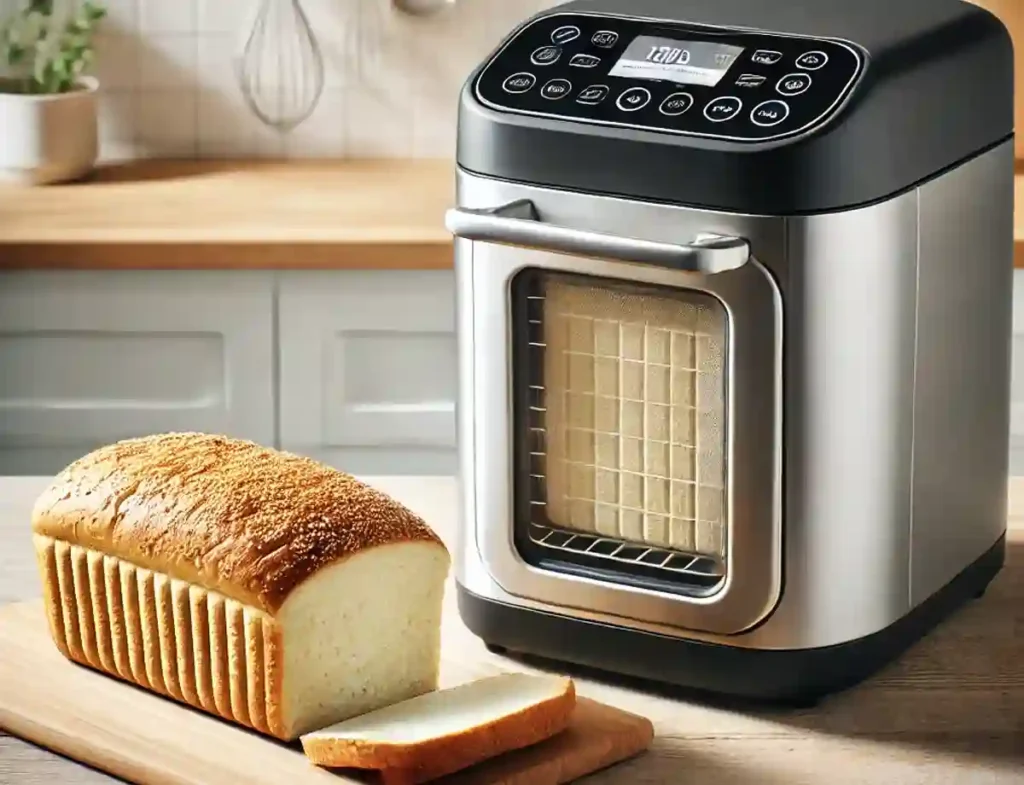
Baking delicious and successful gluten-free bread requires a carefully curated selection of ingredients that work together to mimic the properties of traditional wheat-based bread. While the specific ingredients may vary from recipe to recipe, there are several essential components that are commonly found in gluten-free bread recipes for bread machines.
One of the most crucial ingredients in gluten-free bread is the flour blend. Instead of relying on a single type of flour, gluten-free bakers often use a combination of different flours, such as rice flour, almond flour, tapioca flour, or potato starch, to create a well-balanced and structurally sound dough. These flour blends are designed to provide the necessary binding, rise, and texture that is typically achieved with gluten in traditional bread recipes.
Gluten-free bread recipes often call for the use of xanthan gum or guar gum
In addition to the flour blend, gluten-free bread recipes often call for the use of xanthan gum or guar gum. These ingredients act as a binder and help to replicate the elasticity and structure that gluten provides in wheat-based breads. The amount of gum used can vary depending on the recipe and the specific flour blend, so it’s essential to follow the instructions carefully to achieve the desired results.
Other common ingredients in gluten-free bread recipes include eggs, which help to provide structure and moisture, as well as dairy products like milk or yogurt, which can enhance the flavor and texture of the bread. Some recipes may also incorporate additional ingredients like yeast, baking powder, salt, and sweeteners to create a well-balanced and flavorful loaf.
Understanding the role and properties of these essential ingredients is crucial for successful gluten-free bread baking, especially when using a bread machine. By carefully selecting and combining these components, you can create delicious and satisfying gluten-free bread that rivals the quality and taste of traditional wheat-based loaves.
Basic gluten-free bread recipe for bread machines
Here is a basic gluten-free bread recipe that is designed for use in a bread machine:
Ingredients:
• 1 1/2 cups gluten-free flour blend
• 1 teaspoon xanthan gum
• 1 teaspoon salt
• 1 tablespoon sugar
• 1 teaspoon active dry yeast
• 1 cup warm water
• 2 tablespoons olive oil
• 2 large eggs
Instructions:
- Add the gluten-free flour blend, xanthan gum, salt, sugar, and yeast to the bread machine pan. Mix the dry ingredients together.
- Pour the warm water and olive oil into the bread machine pan, followed by the eggs.
- Select the gluten-free bread cycle on your bread machine and press start.
- Allow the bread machine to complete the full cycle, which typically takes around 2-3 hours.
- Once the bread is done, remove the pan from the machine and let it cool on a wire rack for at least 30 minutes before slicing.
This basic recipe can be customized by adding various herbs, spices, or other mix-ins to create different flavor profiles. It’s important to note that the specific ingredients and measurements may vary depending on the brand and model of your bread machine, so it’s always a good idea to refer to the manufacturer’s instructions and recommendations when baking gluten-free bread.
Tips for successful baking
Measure ingredients accurately: Gluten-free baking requires precise measurements, as the ratios of flours, liquids, and other ingredients can significantly impact the final texture and rise of the bread. Use a kitchen scale or measuring cups and spoons for the best results.
1 Measure ingredients accurately: Gluten-free baking requires precise measurements, as the ratios of flours, liquids, and other ingredients can significantly impact the final texture and rise of the bread. Use a kitchen scale or measuring cups and spoons for the best results.
2 Use a high-quality gluten-free flour blend: Opt for a pre-made gluten-free flour blend that is specifically formulated for bread baking, or create your own blend using a combination of flours, starches, and gums. This will ensure a well-balanced and structurally sound dough.
3 Avoid over-mixing the dough: Gluten-free doughs are more delicate than traditional wheat doughs, so be gentle when mixing and kneading. Over-mixing can lead to a dense and tough texture.
4 Adjust liquid ratios as needed: Gluten-free doughs can be more or less absorbent than wheat-based doughs, so you may need to adjust the amount of liquid in the recipe to achieve the right consistency.
5 Utilize the bread machine’s gluten-free settings: Many bread machines now have specialized gluten-free settings that optimize the kneading, rising, and baking process for gluten-free recipes.
6 Allow proper rising time: Gluten-free bread may require a longer rising time compared to wheat-based bread, so be patient and let the dough rise fully before baking.
7 Avoid opening the bread machine during baking: Resist the temptation to open the bread machine mid-bake, as this can cause the bread to collapse or not rise properly.
8 Use a digital thermometer to check for doneness: Insert a digital thermometer into the center of the loaf to ensure it has reached an internal temperature of 205-210°F before removing it from the machine.
By following these tips and techniques, you can consistently produce delicious, fluffy, and well-risen gluten-free bread using your bread machine.
Variations and flavors for gluten-free bread
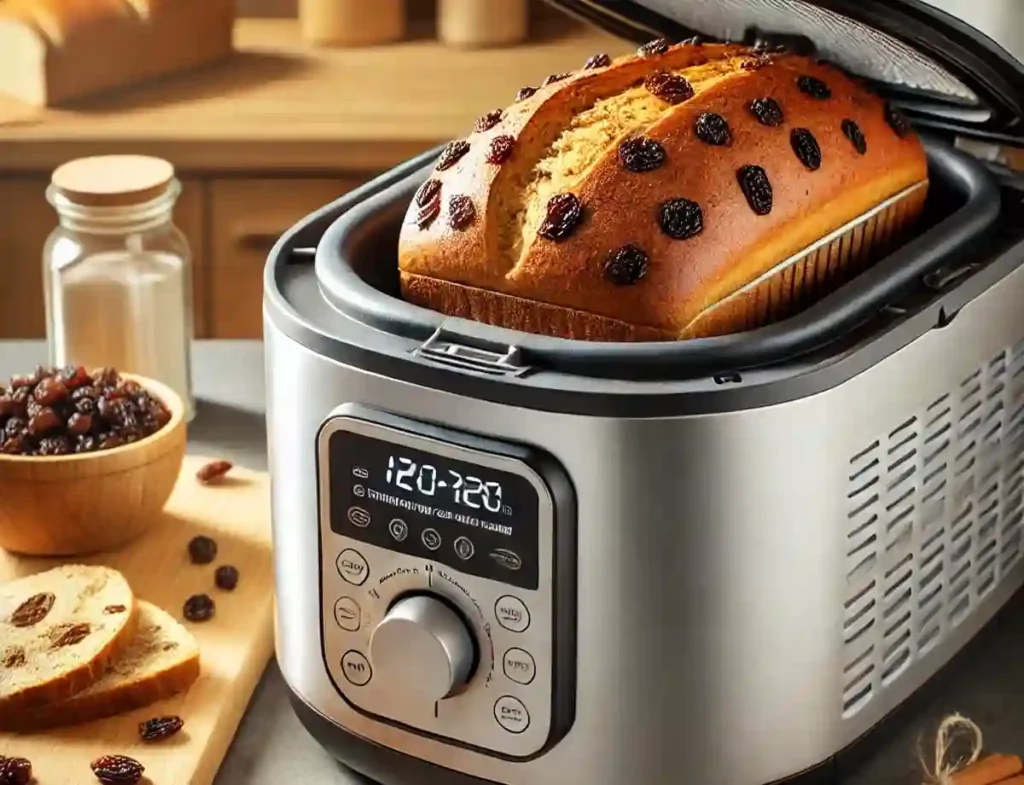
One of the joys of baking gluten-free bread at home is the ability to experiment with a wide range of flavors and variations. While the basic gluten-free bread recipe provides a solid foundation, you can easily customize and enhance your loaves by incorporating different ingredients and techniques. Here are some delicious variations to try:
1 Cinnamon Raisin Bread: Add 1/2 cup of raisins and 1 teaspoon of ground cinnamon to the basic recipe for a warm, comforting loaf.
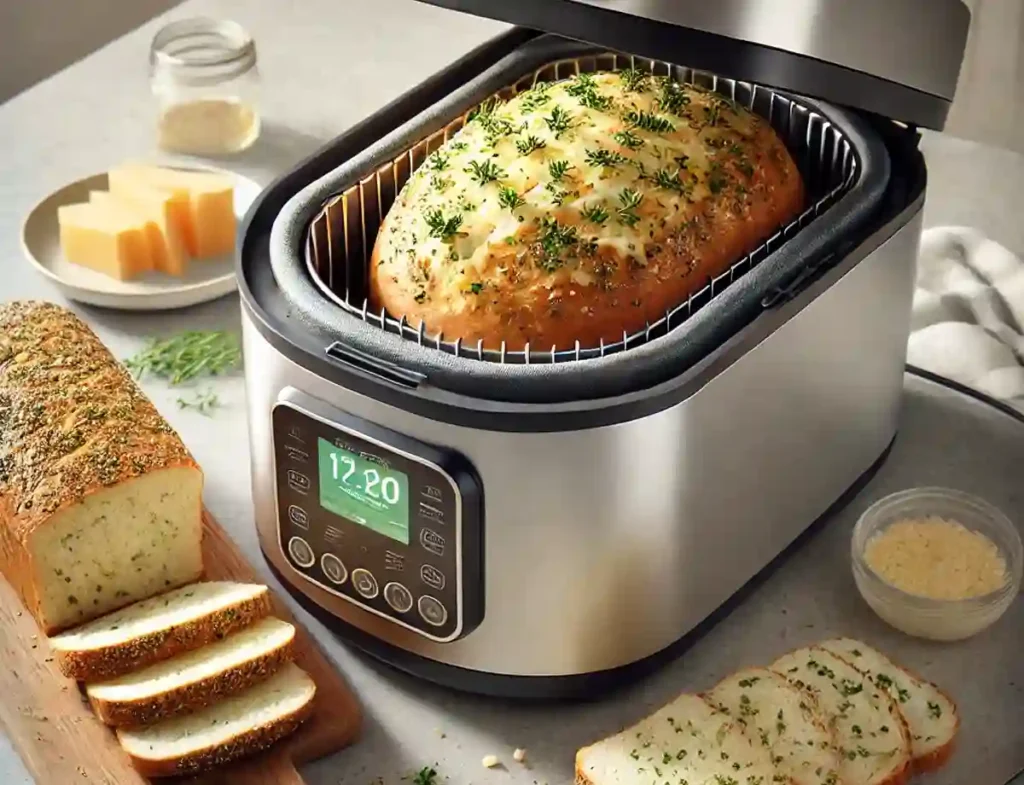
2 Cheesy Herb Bread: Fold in 1/2 cup of shredded cheese (such as cheddar or parmesan) and 2 tablespoons of chopped fresh herbs (like rosemary, thyme, or parsley) for a savory and flavorful twist.
3 Whole Grain Bread: Substitute a portion of the gluten-free flour blend with whole grain flours, such as brown rice flour or quinoa flour, for a heartier and more nutritious loaf.
4 Garlic Bread: Mince 2-3 cloves of garlic and mix it into the dough, or brush the baked loaf with a garlic-infused olive oil for a fragrant and delicious result.
5 Seeded Bread: Add a variety of seeds, such as chia, flax, or sunflower, to the dough for a nutrient-dense and crunchy texture.
6 Fruit-Infused Bread: Fold in chopped fresh or dried fruit, like apples, cranberries, or blueberries, for a sweet and fruity loaf.
7 Nut and Seed Bread: Incorporate ground nuts or seeds, such as almonds or pumpkin seeds, for a protein-packed and nutty-flavored bread.
8 Savory Onion and Chive Bread: Sauté diced onions and chives, then fold them into the dough for a flavorful and aromatic loaf.
The possibilities are endless when it comes to creating unique and delicious gluten-free bread variations. Experiment with different flavor combinations and ingredients to find your personal favorites and cater to your specific dietary needs and taste preferences.
Troubleshooting common issues with gluten-free bread baking
While gluten-free bread baking can be incredibly rewarding, it’s not uncommon to encounter a few challenges along the way. Here are some common issues you may face and how to troubleshoot them:
Dense or heavy texture:
• Potential causes: Incorrect flour blend, over-mixing, or insufficient rising time.
• Solution: Adjust the flour blend to include more starches or lighter flours, be gentle when mixing, and allow the dough to rise fully before baking.
Crumbly or dry texture:
• Potential causes: Insufficient liquid, over-baking, or using the wrong type of gluten-free flour.
• Solution: Increase the amount of liquid in the recipe, reduce the baking time, and experiment with different gluten-free flour blends.
Gummy or undercooked interior:
• Potential causes: Underbaking, too much liquid, or using the wrong bread machine settings.
• Solution: Bake the bread for longer, reduce the amount of liquid, and ensure you’re using the appropriate gluten-free bread cycle on your machine.
Sunken or collapsed loaf:
• Potential causes: Over-proofing, opening the bread machine during baking, or using expired yeast.
• Solution: Adjust the rising time, avoid opening the machine during baking, and check the expiration date of your yeast.
Tough or rubbery crust:
• Potential causes: Over-baking, using the wrong bread pan, or not allowing the bread to cool properly.
• Solution: Reduce the baking time, use a non-stick or silicone bread pan, and let the loaf cool completely before slicing.
Uneven or lopsided rise:
• Potential causes: Uneven distribution of ingredients, incorrect kneading, or using an old or damaged bread machine.
• Solution: Mix the ingredients thoroughly, ensure the kneading process is gentle and even, and consider upgrading to a newer bread machine if necessary.
By understanding these common issues and their possible solutions, you can troubleshoot and fine-tune your gluten-free bread baking process to achieve consistently excellent results with your bread machine.
Gluten-free bread machine recipes for different dietary restrictions
One of the great advantages of baking gluten-free bread at home is the ability to cater to various dietary restrictions and preferences. Whether you’re following a vegan, paleo, or low-carb lifestyle, there are plenty of delicious gluten-free bread recipes that can be easily adapted for your bread machine.
Vegan Gluten-Free Bread:
For a vegan-friendly gluten-free bread, simply replace the eggs in the basic recipe with aquafaba (the liquid from a can of chickpeas) or a commercial egg replacer. You can also incorporate plant-based milk, such as almond or oat milk, instead of dairy products.
Paleo Gluten-Free Bread:
To create a paleo-friendly gluten-free bread, use a flour blend made with almond flour, coconut flour, and arrowroot starch. Avoid any grains or starches that are not considered paleo-approved. You can also add healthy fats, like avocado oil or melted coconut oil, to the recipe.
Low-Carb Gluten-Free Bread:
For a low-carb gluten-free bread, substitute a portion of the gluten-free flour blend with ground flaxseed, almond flour, or lupin flour. These ingredients can help reduce the overall carbohydrate content while maintaining a satisfying texture and flavor.
Nut-Free Gluten-Free Bread:
If you have a nut allergy or preference, you can create a nut-free gluten-free bread by using a flour blend made with rice flour, tapioca flour, and potato starch. Avoid any nut-based flours or ingredients.
Dairy-Free Gluten-Free Bread:
For a dairy-free gluten-free bread, replace any milk or butter in the recipe with plant-based alternatives, such as almond milk, oat milk, or coconut oil.
By understanding the unique dietary needs and preferences of your household, you can easily adapt your gluten-free bread machine recipes to cater to a wide range of dietary restrictions. This flexibility allows you to enjoy the taste and texture of freshly baked gluten-free bread while accommodating your specific health and dietary goals.
Conclusion and final thoughts
In this comprehensive guide, we’ve explored the world of gluten-free bread baking with bread machines, providing you with the knowledge and tools to create delicious, homemade loaves that cater to your dietary needs. From understanding the essential ingredients and techniques to troubleshooting common issues and experimenting with a variety of flavors, you now have the resources to become a confident and successful gluten-free.
Health Disclaimer:
The content provided on this blog is for informational purposes only and is not intended as a substitute for professional medical advice, diagnosis, or treatment.
Always seek the guidance of your physician or another qualified healthcare provider with any questions you may have regarding a medical condition.
We make no representations or warranties regarding the accuracy, completeness, or suitability of the information provided, and we take no responsibility for any actions taken based on the content of this blog.
The use of this blog and this blog article is at your own risk.