The Ultimate Guide to Delicious and Healthy Gluten-Free Food
Are you tired of compromising taste for health? Look no further! Welcome to our ultimate guide to delicious and healthy gluten-free food. In this comprehensive article, we will explore a plethora of mouth-watering gluten-free recipes that will leave you satisfied without sacrificing flavor.

Whether you have celiac disease, a gluten intolerance, or you simply choose to follow a gluten-free lifestyle, this guide is for you. Step into a world of culinary delights where gluten-free does not equate to bland, boring meals.
From hearty breakfast options like fluffy pancakes and savory breakfast burritos, to sumptuous main courses that will tantalize your taste buds, and delectable desserts that will satisfy your sweet tooth, we have it all covered. Our expertly curated recipes are not just gluten-free, but also packed with nutrition to nourish your body.
Get ready to explore a world of endless possibilities in gluten-free cooking. Say goodbye to tasteless substitutes and embrace the joys of dining on flavorful and healthy alternatives. Get ready to embark on a delicious journey with us, where indulgence and health go hand in hand. Let’s get cooking!
Table of Contents
Understanding gluten and gluten-free diet
Gluten is a protein found in certain grains like wheat, barley, and rye. It acts as a binder, providing structure and texture to baked goods and other food products. For individuals with celiac disease or non-celiac gluten sensitivity, consuming gluten can trigger an adverse immune response, leading to a variety of unpleasant symptoms such as bloating, abdominal pain, diarrhea, and fatigue.
A gluten-free diet involves the elimination of all foods containing gluten. This dietary approach is essential for individuals with celiac disease, as it helps to manage the condition and prevent further damage to the small intestine. Even for those without a diagnosed gluten-related disorder, following a gluten-free diet can provide various health benefits, such as improved digestion, increased energy levels, and reduced inflammation.
By understanding the role of gluten and the importance of a gluten-free diet, individuals can make informed choices about their food consumption and prioritize their overall well-being. This knowledge is crucial in navigating the ever-expanding world of gluten-free products and ensuring a balanced, nutritious, and enjoyable eating experience.
The rise of gluten-free food
Over the past decade, the demand for gluten-free food has skyrocketed, driven by increased awareness and understanding of gluten-related health concerns. As more people have been diagnosed with celiac disease and non-celiac gluten sensitivity, the food industry has responded by expanding its range of gluten-free offerings.
What was once a niche market has now become a mainstream phenomenon, with gluten-free products available in virtually every grocery store and supermarket. From breads and pastas to snacks and desserts, the gluten-free food landscape has evolved significantly, offering consumers a wide array of options to cater to their dietary needs and preferences.
The rise of the gluten-free trend has not only benefited those with medical conditions but has also attracted health-conscious individuals seeking to optimize their overall well-being. The perception of gluten-free food as a healthier alternative has fueled its popularity, leading to a surge in innovation and the development of high-quality, flavorful gluten-free products that can rival their gluten-containing counterparts.
Benefits of a gluten-free diet
Adopting a gluten-free diet can provide a multitude of health benefits, especially for individuals with celiac disease or non-celiac gluten sensitivity. By eliminating gluten from their diet, they can experience a significant reduction in gastrointestinal symptoms, such as bloating, abdominal pain, and diarrhea.
Beyond managing the immediate symptoms, a gluten-free diet can also promote long-term healing and restoration of the small intestine in individuals with celiac disease. This is crucial, as the continued consumption of gluten can lead to further damage and impaired nutrient absorption, potentially causing various nutritional deficiencies.
For those without a diagnosed gluten-related disorder, a gluten-free diet may still offer health advantages. Some studies suggest that a gluten-free lifestyle can lead to improved digestion, increased energy levels, and reduced inflammation throughout the body. Additionally, the focus on whole, unprocessed foods that often accompanies a gluten-free diet can contribute to overall better nutrition and a healthier lifestyle.
The rise of gluten-free food

Over the past decade, the demand for gluten-free food has skyrocketed, driven by increased awareness and understanding of gluten-related health concerns. As more people have been diagnosed with celiac disease and non-celiac gluten sensitivity, the food industry has responded by expanding its range of gluten-free offerings.
What was once a niche market has now become a mainstream phenomenon, with gluten-free products available in virtually every grocery store and supermarket. From breads and pastas to snacks and desserts, the gluten-free food landscape has evolved significantly, offering consumers a wide array of options to cater to their dietary needs and preferences.
The rise of the gluten-free trend has not only benefited those with medical conditions but has also attracted health-conscious individuals seeking to optimize their overall well-being. The perception of gluten-free food as a healthier alternative has fueled its popularity, leading to a surge in innovation and the development of high-quality, flavorful gluten-free products that can rival their gluten-containing counterparts.
Benefits of a gluten-free diet
Adopting a gluten-free diet can provide a multitude of health benefits, especially for individuals with celiac disease or non-celiac gluten sensitivity. By eliminating gluten from their diet, they can experience a significant reduction in gastrointestinal symptoms, such as bloating, abdominal pain, and diarrhea.
Beyond managing the immediate symptoms, a gluten-free diet can also promote long-term healing and restoration of the small intestine in individuals with celiac disease. This is crucial, as the continued consumption of gluten can lead to further damage and impaired nutrient absorption, potentially causing various nutritional deficiencies.
For those without a diagnosed gluten-related disorder, a gluten-free diet may still offer health advantages. Some studies suggest that a gluten-free lifestyle can lead to improved digestion, increased energy levels, and reduced inflammation throughout the body. Additionally, the focus on whole, unprocessed foods that often accompanies a gluten-free diet can contribute to overall better nutrition and a healthier lifestyle.
Common misconceptions about gluten-free food
Despite the growing popularity of gluten-free diets, there are still several misconceptions surrounding gluten-free food that can lead to confusion and misunderstandings. One common misconception is that gluten-free products are inherently healthier than their gluten-containing counterparts.
While it is true that a gluten-free diet can provide health benefits for those with celiac disease or non-celiac gluten sensitivity, this does not necessarily mean that all gluten-free products are automatically healthier. In fact, some gluten-free processed foods may be high in sugar, fat, and calories, and lack the essential nutrients found in their gluten-containing equivalents.
Another misconception is that a gluten-free diet is suitable for weight loss. While some individuals may experience weight loss when transitioning to a gluten-free diet, this is not a guaranteed outcome. The key to successful weight management lies in maintaining a balanced, calorie-controlled diet, regardless of whether it is gluten-free or not.
How to start a gluten-free diet
Transitioning to a gluten-free diet can seem daunting at first, but with the right approach and a little planning, it can be a smooth and rewarding process. The first step is to educate yourself about gluten-containing foods and their alternatives.
Begin by familiarizing yourself with the common sources of gluten, such as wheat, barley, rye, and their derivatives. This knowledge will help you identify and avoid these ingredients in the foods you consume. Additionally, be aware that gluten can also be present in unexpected places, such as sauces, dressings, and even some medications, so it’s essential to read labels carefully.
Next, stock your pantry with a variety of gluten-free staples, including gluten-free flours, grains, and alternative baking ingredients. This will provide you with the necessary building blocks to create delicious and nutritious gluten-free meals. Explore new recipes and experiment with different gluten-free ingredients to discover your personal favorites.
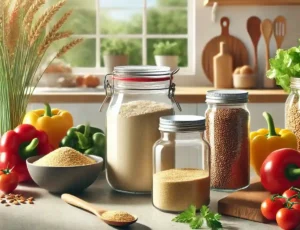
Essential ingredients for a gluten-free pantry
Building a well-stocked gluten-free pantry is crucial for success on a gluten-free diet. By having the right ingredients on hand, you can easily whip up a wide range of delicious and satisfying meals without the worry of gluten contamination.

Some essential gluten-free pantry items include:
- Gluten-free flours (e.g., rice flour, almond flour, coconut flour, tapioca flour)
- Gluten-free grains (e.g., quinoa, amaranth, buckwheat, millet)
- Gluten-free pasta and noodles
- Gluten-free bread and baking mixes
- Gluten-free soy sauce or tamari
- Gluten-free oats
- Nuts and seeds
- Legumes (e.g., chickpeas, lentils, black beans)
- Healthy oils (e.g., olive oil, coconut oil, avocado oil)
- Spices and herbs
By stocking your pantry with these versatile and nutrient-dense ingredients, you’ll be well on your way to creating a wide variety of gluten-free meals that are both delicious and satisfying.
Remember, it’s essential to carefully read labels and ensure that the products you purchase are indeed gluten-free, as cross-contamination can occur during manufacturing processes.
Delicious gluten-free recipes for every meal
One of the most exciting aspects of embracing a gluten-free lifestyle is the opportunity to explore a world of delectable and nourishing recipes. From hearty breakfasts to satisfying main dishes and decadent desserts, the possibilities are endless when it comes to creating gluten-free culinary masterpieces.
For breakfast, you can indulge in fluffy gluten-free pancakes, savory breakfast burritos, or a nutritious quinoa porridge. Lunch and dinner options abound, with mouthwatering dishes like creamy gluten-free mac and cheese, flavorful chicken fajitas, or a comforting gluten-free lasagna. And let’s not forget about the sweet treats – gluten-free brownies, cookies, and even gluten-free cakes can satisfy your cravings without compromising on taste.
By utilizing a variety of gluten-free flours, grains, and alternative ingredients, you can create meals that are not only delicious but also packed with essential nutrients. Experiment with different flavor profiles, cooking techniques, and presentation to make your gluten-free dishes truly shine. With a little creativity and a willingness to try new things, you’ll discover that the world of gluten-free cooking is a culinary adventure waiting to be explored.
Tips for dining out on a gluten-free diet
Dining out can be a challenge for individuals following a gluten-free diet, but with the right approach, it can be an enjoyable and stress-free experience. The key is to be proactive and communicate your dietary needs clearly with the restaurant staff.
When selecting a restaurant, do your research and look for establishments that are known to be gluten-free friendly. Many restaurants now offer dedicated gluten-free menus or are willing to accommodate dietary restrictions. Don’t hesitate to call ahead and inquire about their gluten-free options and preparation procedures.
Once at the restaurant, be sure to inform your server about your gluten-free requirements. Politely request that they notify the kitchen staff and ensure that your meal is prepared without any gluten-containing ingredients. If you’re unsure about a particular dish, don’t be afraid to ask for clarification or request modifications. It’s better to be cautious than to risk inadvertently consuming gluten.
Gluten-free alternatives for popular foods
The rise of the gluten-free movement has led to the development of a wide range of alternative products that can satisfy cravings for traditional gluten-containing foods. From breads and pastas to snacks and desserts, there are now countless gluten-free options available to cater to various dietary needs and preferences.
For bread lovers, gluten-free options made with alternative flours, such as rice flour, almond flour, or coconut flour, can provide a satisfying and nutritious alternative. Gluten-free pasta, crafted from ingredients like quinoa, corn, or lentils, can be a delicious substitute for traditional wheat-based pasta.
When it comes to snacks and desserts, the gluten-free market has truly flourished. Indulge in crisp, flavorful gluten-free crackers, crunchy granola bars, or decadent gluten-free brownies and cookies. These treats not only satisfy cravings but also offer a healthier alternative to their gluten-containing counterparts.
Conclusion: Embracing a healthy and delicious gluten-free lifestyle
In conclusion, embracing a gluten-free lifestyle can be a rewarding and fulfilling journey. By understanding the role of gluten, the benefits of a gluten-free diet, and the wide array of delicious gluten-free options available, you can embark on a path towards improved health and a heightened culinary experience.
Whether you have a medical condition that requires a gluten-free diet or you simply choose to follow this lifestyle, the key is to approach it with an open mind and a willingness to explore new and exciting flavors. By stocking your pantry with essential gluten-free ingredients and experimenting with a variety of recipes, you’ll discover that gluten-free cooking can be both satisfying and enjoyable.
As you navigate the world of gluten-free dining, remember to be proactive, communicate your needs, and don’t be afraid to try new things. With a little planning and creativity, you can indulge in delectable meals that nourish both your body and your soul. Embrace the joys of a healthy and delicious gluten-free lifestyle, and let your culinary adventures begin!
Health Disclaimer:
The content provided on this blog is for informational purposes only and is not intended as a substitute for professional medical advice, diagnosis, or treatment.
Always seek the guidance of your physician or another qualified healthcare provider with any questions you may have regarding a medical condition.
We make no representations or warranties regarding the accuracy, completeness, or suitability of the information provided, and we take no responsibility for any actions taken based on the content of this blog.
The use of this blog and this blog article is at your own risk.