Unlocking the Secrets of Gluten-Free Bread Flour: A Guide to Delicious and Healthy Baking
Looking to bake gluten-free bread that is both delicious and healthy? Look no further than our comprehensive guide to unlocking the secrets of gluten-free bread flour. Whether you’re living with celiac disease or simply avoiding gluten, this article will help you navigate the world of gluten-free baking with confidence.

With our expert tips and step-by-step instructions, you’ll learn how to choose the right flour for your specific needs, understand the science behind gluten-free baking, and achieve perfect texture and taste every time. We’ll demystify the various types of gluten-free flours available and provide recommendations for the best brands on the market.
Say goodbye to dense and crumbly loaves, and say hello to fluffy and flavorful gluten-free bread. Start your baking journey today and unlock the secrets. Get ready to impress your family and friends with your newfound gluten-free baking skills!
Table of Contents
What is gluten-free bread flour?
Gluten-free bread flour is a specialized type of flour that is designed to be used in the production of gluten-free bread. Unlike traditional wheat-based flours, gluten-free bread flour does not contain the protein gluten, which is responsible for giving bread its structure and chewiness.
Instead, it is typically made from a blend of alternative grains, starches, and other ingredients that work together to mimic the properties of gluten without containing it. These flours can be made from a variety of sources, including rice, tapioca, potato, sorghum, and others.
The specific composition of gluten-free bread flour can vary depending on the brand and the intended use, but the goal is always to create a flour that can be used to bake bread that is light, fluffy, and similar in texture to traditional wheat-based bread. Gluten-free bread flour is an essential ingredient for anyone following a gluten-free diet or looking to create delicious and healthy gluten-free baked goods.
The benefits of gluten-free bread flour
One of the primary benefits of using it, is that it allows individuals with celiac disease or gluten sensitivity to enjoy bread and other baked goods without the negative health consequences associated with consuming gluten.
It is also a great option for those who are simply looking to reduce their gluten intake for general health reasons. By using a gluten-free flour, you can create bread that is free from the inflammatory properties of gluten, which can be beneficial for overall digestive health.
In addition to its health benefits, it can also be a great option for those who are looking to experiment with new and diverse baking ingredients. The wide range of alternative grains and starches used in gluten-free bread flour can add unique flavors and textures to baked goods, allowing for more creativity and experimentation in the kitchen.
Understanding gluten and its effects on health
Gluten is a protein found in wheat, barley, and rye that is responsible for giving bread its characteristic chewiness and structure. For most people, gluten is a harmless and essential component of a balanced diet. However, for those with celiac disease or gluten sensitivity, consuming gluten can have serious negative health consequences.
Celiac disease is an autoimmune disorder in which the body’s immune system mistakenly attacks the small intestine when gluten is consumed. This can lead to a range of symptoms, including abdominal pain, bloating, diarrhea, and malnutrition. In severe cases, celiac disease can also cause long-term damage to the small intestine and increase the risk of other autoimmune disorders.
Gluten sensitivity, on the other hand, is a condition in which individuals experience negative symptoms, such as bloating, fatigue, and headaches, after consuming gluten, but do not have the same autoimmune response as those with celiac disease. While the underlying causes of gluten sensitivity are not fully understood, it is a real and increasingly recognized condition that can significantly impact an individual’s quality of life.
Common misconceptions about gluten-free baking
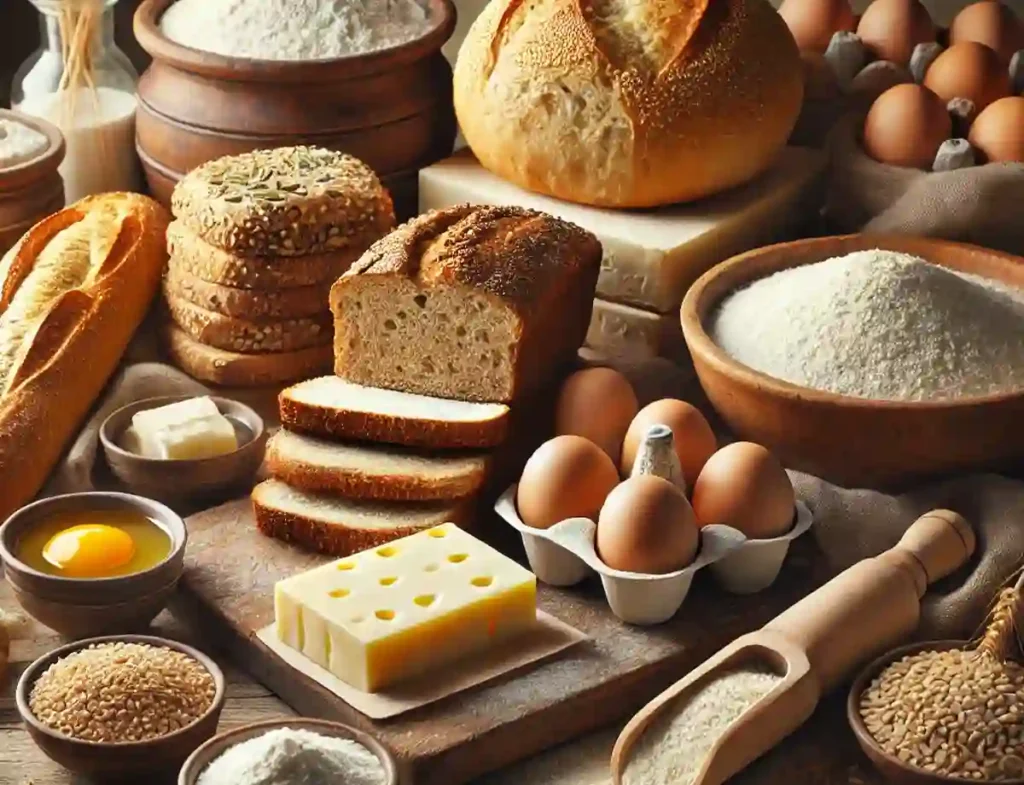
One of the most common misconceptions about gluten-free baking is that it is inherently difficult or that the resulting baked goods will be inferior in taste and texture. However, with the right knowledge and techniques, it is entirely possible to create delicious and satisfying gluten-free bread and other baked goods.
Another misconception is that gluten-free baking requires a lot of specialized and expensive ingredients. While it’s true that gluten-free baking does require the use of alternative flours and starches, many of these ingredients are readily available and affordable, especially when purchased in bulk.
Finally, some people believe that gluten-free baking is only for those with celiac disease or a diagnosed gluten sensitivity. However, gluten-free baking can be a great option for anyone who is looking to reduce their gluten intake or experiment with new and diverse baking ingredients. Whether you have a medical need or simply a personal preference, gluten-free baking can be a rewarding and delicious experience.
Tips for successful gluten-free baking with bread flour
Achieving the perfect texture and taste in gluten-free bread can be a bit more challenging than traditional wheat-based bread, but with the right techniques and ingredients, it is entirely possible.
Common misconceptions about gluten-free food
1. Choose the right flour blend: Not all gluten-free bread flours are created equal. Look for a blend that contains a variety of alternative grains and starches, such as rice flour, tapioca starch, and potato starch, to ensure the best texture and rise.
2. Measure accurately: Gluten-free baking is more sensitive to precise measurements than traditional baking. Be sure to use a kitchen scale to measure your ingredients, as cup measurements can be less accurate.
3. Use xanthan gum or other binders: Gluten-free flours lack the natural binding properties of wheat flour, so it’s important to use a binder like xanthan gum or psyllium husk to help hold the dough together and prevent crumbling.
4. Proof the dough properly: Gluten-free dough requires a longer proofing time than wheat-based dough, so be patient and allow the dough to rise fully before baking.
5. Bake at a higher temperature: Gluten-free bread often benefits from a higher baking temperature, around 400°F (200°C), to help it rise and develop a crisp crust.
6. Experiment with add-ins: Don’t be afraid to get creative with your gluten-free bread by adding ingredients like seeds, nuts, or herbs to enhance the flavor and texture.
By following these tips and being patient with the gluten-free baking process, you can achieve delicious and satisfying results every time.
Gluten-free bread flour brands and products to try
When it comes to gluten-free bread flour, there are a variety of high-quality brands and products to choose from. Here are some of the top options to consider:
Here are some of the top options to consider:
1. Bob’s Red Mill: This popular brand offers a versatile blend of gluten-free flours, including brown rice flour, potato starch, and tapioca flour, that is perfect for baking bread.
2. King Arthur : Known for their commitment to quality, King Arthur’s gluten-free bread flour is a reliable choice for those looking to create fluffy and delicious gluten-free loaves.
3. Pamela’s Bread Mix: Pamela’s offers a convenient all-in-one bread mix that includes their signature gluten-free flour blend, making it easy to whip up fresh gluten-free bread at home.
4. Namaste Foods Organic Gluten-Free Bread Mix: This certified organic and non-GMO bread mix is a great option for those with multiple dietary restrictions, as it is also free from dairy, soy, and nuts.
5. Pillsbury Gluten-Free All-Purpose Flour: While not specifically designed for bread, Pillsbury’s gluten-free all-purpose flour can be a good starting point for experimenting with homemade gluten-free bread recipes.
When selecting a gluten-free bread flour, be sure to read the labels carefully and choose a product that meets your specific dietary needs and preferences. Some flours may also be better suited for certain types of bread, such as sandwich loaves or artisanal sourdough.
Recipes using gluten-free bread flour
Now that you’ve learned about the benefits of it and the best brands to try, it’s time to put your knowledge into practice.
Here are a few delicious recipes that showcase the versatility of this versatile ingredient:
1. Gluten-Free Sandwich Bread: This classic loaf is perfect for toast, sandwiches, and more. The combination of rice flour, tapioca starch, and xanthan gum creates a soft and fluffy texture.
2. Gluten-Free Sourdough Bread: For a more artisanal approach, try your hand at a gluten-free sourdough loaf. The long fermentation process and blend of flours, including sorghum and millet, result in a wonderfully chewy and flavorful bread.
3. Gluten-Free Dinner Rolls: Serve up these soft and pillowy dinner rolls at your next family gathering. The addition of eggs and butter gives them a rich and satisfying taste.
4. Gluten-Free Focaccia: This Italian-inspired flatbread is a delicious and versatile option for gluten-free baking. Top it with your favorite herbs, vegetables, or cheese for a tasty and visually appealing result.
5. Gluten-Free Cinnamon Swirl Bread: Indulge in the sweet and fragrant flavors of this cinnamon-infused gluten-free bread. Perfect for breakfast or an afternoon snack.
Remember to follow the specific instructions and techniques for each recipe to ensure the best possible outcome. With a little practice and experimentation, you’ll be whipping up delectable gluten-free baked goods in no time.
How to store and preserve gluten-free bread flour
Proper storage and preservation of it, is crucial to maintain its freshness, flavor, and overall quality.

Here are some tips to help you keep your gluten-free bread flour in top condition:
1. Airtight storage: Store your gluten-free bread flour in an airtight container, such as a resealable plastic bag or a glass jar with a tight-fitting lid. This helps prevent the flour from absorbing moisture and becoming stale.
2. Cool, dry place: Keep your gluten-free bread flour in a cool, dry place, away from direct sunlight and heat sources. A pantry or kitchen cabinet is an ideal storage location.
3. Refrigeration or freezing: For extended shelf life, consider storing your gluten-free bread flour in the refrigerator or freezer. This can help preserve the flour’s freshness and prevent the growth of mold or bacteria.
4. Avoid cross-contamination: If you’re storing multiple types of gluten-free flours, be sure to keep them separate to prevent cross-contamination. Label each container clearly to avoid mixing them up.
5. Check for expiration dates: Pay attention to the expiration or “best by” dates on your gluten-free bread flour and use it within the recommended timeframe. Discard any flour that has an off smell or appearance.
6. Reseal after use: When you’re ready to use your gluten-free bread flour, be sure to reseal the container tightly to prevent air exposure and maintain the flour’s freshness.
By following these simple storage and preservation tips, you can ensure that your gluten-free bread flour remains fresh and ready to use for all your baking needs.
Where to buy
Gluten-free bread flour is widely available in a variety of retail and online outlets.
Here are some of the best places to purchase high-quality gluten-free bread flour:
1. Specialty grocery stores: Many natural food stores, health food stores, and even some mainstream grocery chains now carry a selection of gluten-free flours, including bread flour. Look for brands like Bob’s Red Mill, King Arthur, and Pamela’s.
2. Online retailers: For a wider selection and convenience, consider purchasing your gluten-free bread flour from online retailers. Amazon, Vitacost, and the brand’s own websites are all great options.
3. Wholesale clubs: Warehouse stores like Costco and Sam’s Club often sell gluten-free bread flour in larger quantities, making it a cost-effective option for those who bake regularly.
4. Local bakeries or mills: If you have a local gluten-free bakery or specialty flour mill in your area, they may sell their own custom-blended gluten-free bread flour directly to consumers.
5. Farmers’ markets or co-ops: Some local producers and small-scale food businesses sell gluten-free bread flour at farmers’ markets or through community-supported agriculture (CSA) programs.
When purchasing gluten-free bread flour, be sure to read the labels carefully to ensure that the product is certified gluten-free and meets your dietary needs. It’s also a good idea to compare prices and quality across different retailers to find the best value.
Conclusion: Embracing the world of gluten-free baking with bread flour
It is a game-changer for those looking to enjoy delicious and healthy baked goods without the negative effects of gluten. By understanding the unique properties of this specialized flour and mastering the techniques for successful gluten-free baking, you can unlock a world of culinary possibilities.
Whether you’re living with celiac disease, avoiding gluten for personal reasons, or simply looking to expand your baking repertoire, it can be a valuable addition to your kitchen. With the right knowledge and a little bit of practice, you can create fluffy, flavorful, and visually appealing gluten-free bread that will impress your family and friends.
So, what are you waiting for? Embrace the world of gluten-free baking and start exploring the exciting possibilities of gluten-free bread flour today. With this comprehensive guide in hand, you’ll be well on your way to baking up a storm of delicious and healthy gluten-free creations.
Health Disclaimer:
The content provided on this blog is for informational purposes only and is not intended as a substitute for professional medical advice, diagnosis, or treatment.
Always seek the guidance of your physician or another qualified healthcare provider with any questions you may have regarding a medical condition.
We make no representations or warranties regarding the accuracy, completeness, or suitability of the information provided, and we take no responsibility for any actions taken based on the content of this blog.
The use of this blog and this blog article is at your own risk.